Emigrating to Varna as a Retiree: A Practical Overview
Housing, residence registration, health, mobility, and daily life: This overview article guides you through all the decisions that retirement in Varna entails.
By Glenna · Published on 15 January 2026 · Last reviewed: July 2026 · Reading time approx. 12 minutes
For many German-speaking retirees, Varna is the top choice on the northern Black Sea coast: city, sea, clinics, and an international airport are all close together. This overview guides you through the decisions that retirement in Varna actually brings – from whether the city is right for you, to residence registration, health organisation, and housing types, through to mobility, daily life in winter, and the first few weeks on the ground. All information is organisational in nature and does not replace legal, tax, or medical advice.
Show contents
Is Varna Suitable for Retirement?
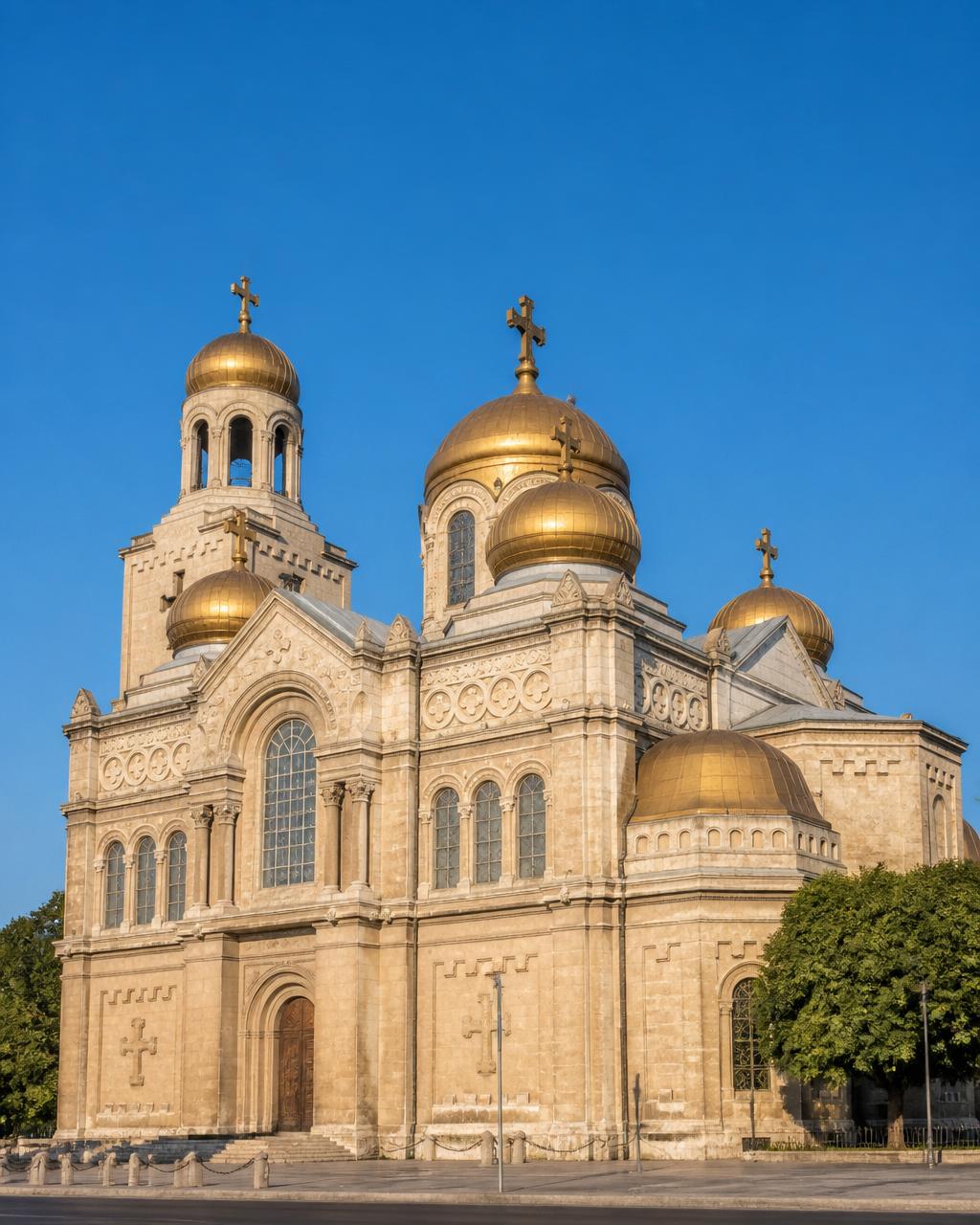
Varna, with around 330,000 inhabitants, is Bulgaria's third-largest city and the only major city on the northern Black Sea coast. One characteristic is particularly decisive for retirement: the city functions all year round. Supermarkets, pharmacies, medical specialists, banks, authorities, culture, and public transport are not tied to a holiday season, as is the case in many smaller coastal towns.
In addition, there are practical advantages: several clinics and resident specialists within the city area, an airport with connections to German-speaking countries, an honorary consulate, a university city with a relatively large number of people who speak German or English, and a cityscape where the sea, the Sea Garden, and residential districts are close together.
Whether Varna is therefore suitable for you cannot be answered in general terms. There are people who return after two years, and people who are still there after twenty. The difference is rarely due to the location, but rather to expectation: those who accept urban daily life, occasional detours due to language barriers, and a different pace of administration will cope well in Varna. Those who expect comprehensive German-speaking service will be disappointed.
An honest assessment requires time on site. Travel at least once outside the summer season, ideally in February or November, and live there as you would live later: go shopping, make a doctor's appointment, take the bus, bridge a rainy day.
Who is Life in Varna Right For?
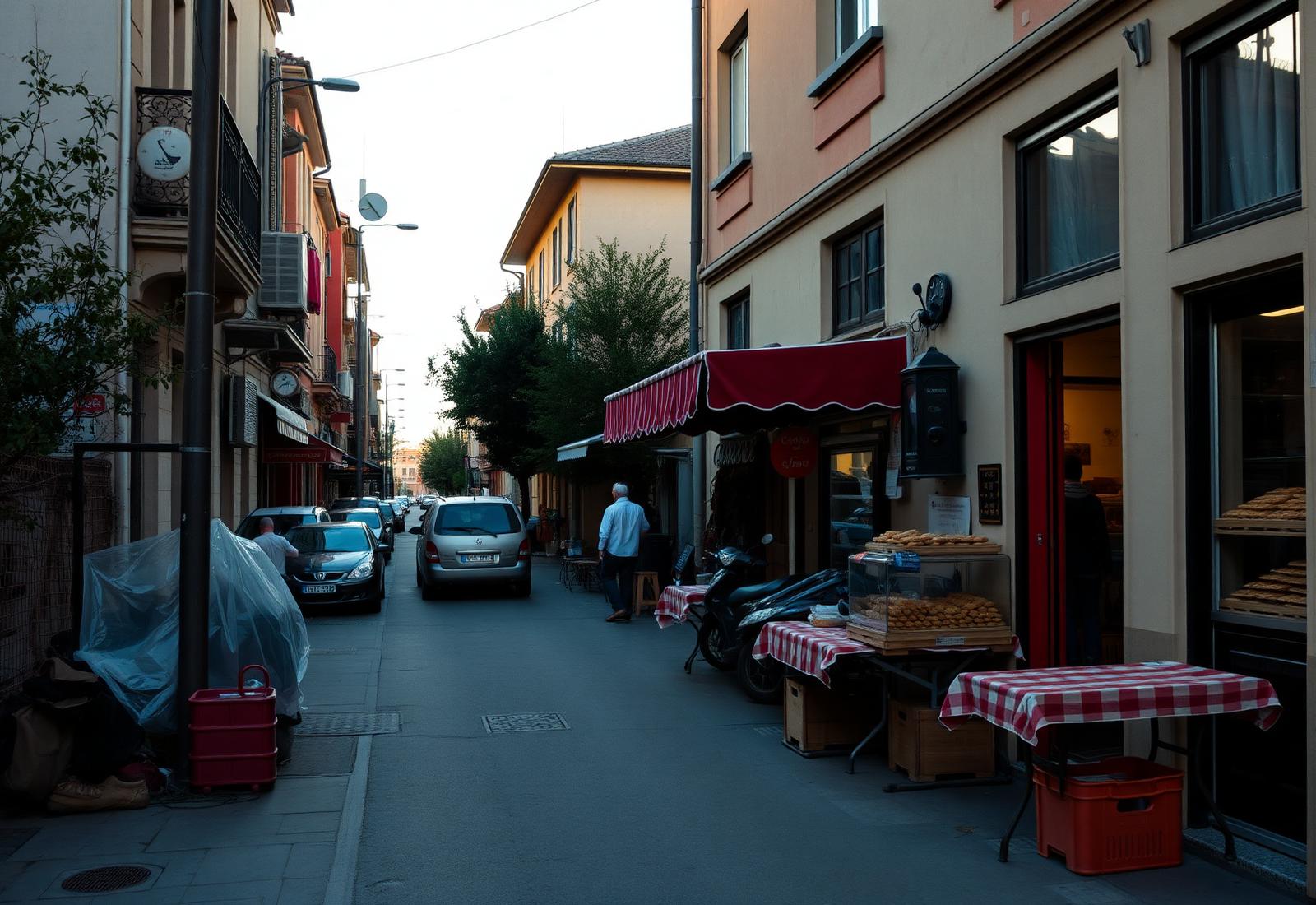
Experience shows that people who enjoy an urban but manageable daily life and wish to maintain their independence – even without their own car – feel particularly comfortable. Those who like being on foot, appreciate cafes and markets, and want to have regular medical appointments within reach will find a good foundation in Varna.
It becomes more difficult if central needs can only be met in one's home country: ongoing complex treatment with a specific specialist, close care duties within the family, or a social environment that cannot be replaced. A very low tolerance for bureaucracy and ambiguity also argues more for a seasonal stay than a complete relocation.
Good fit: Desire for a mild climate, the sea, and lower fixed costs with urban infrastructure.
Good fit: Willingness to build basic knowledge of Bulgarian and to purchase assistance specifically.
Less suitable: Expectation that authorities, doctors, and tradespeople consistently speak German.
Less suitable: Ongoing treatments or obligations that require a permanent presence in the home country.
City, Coastal Town, or Village?
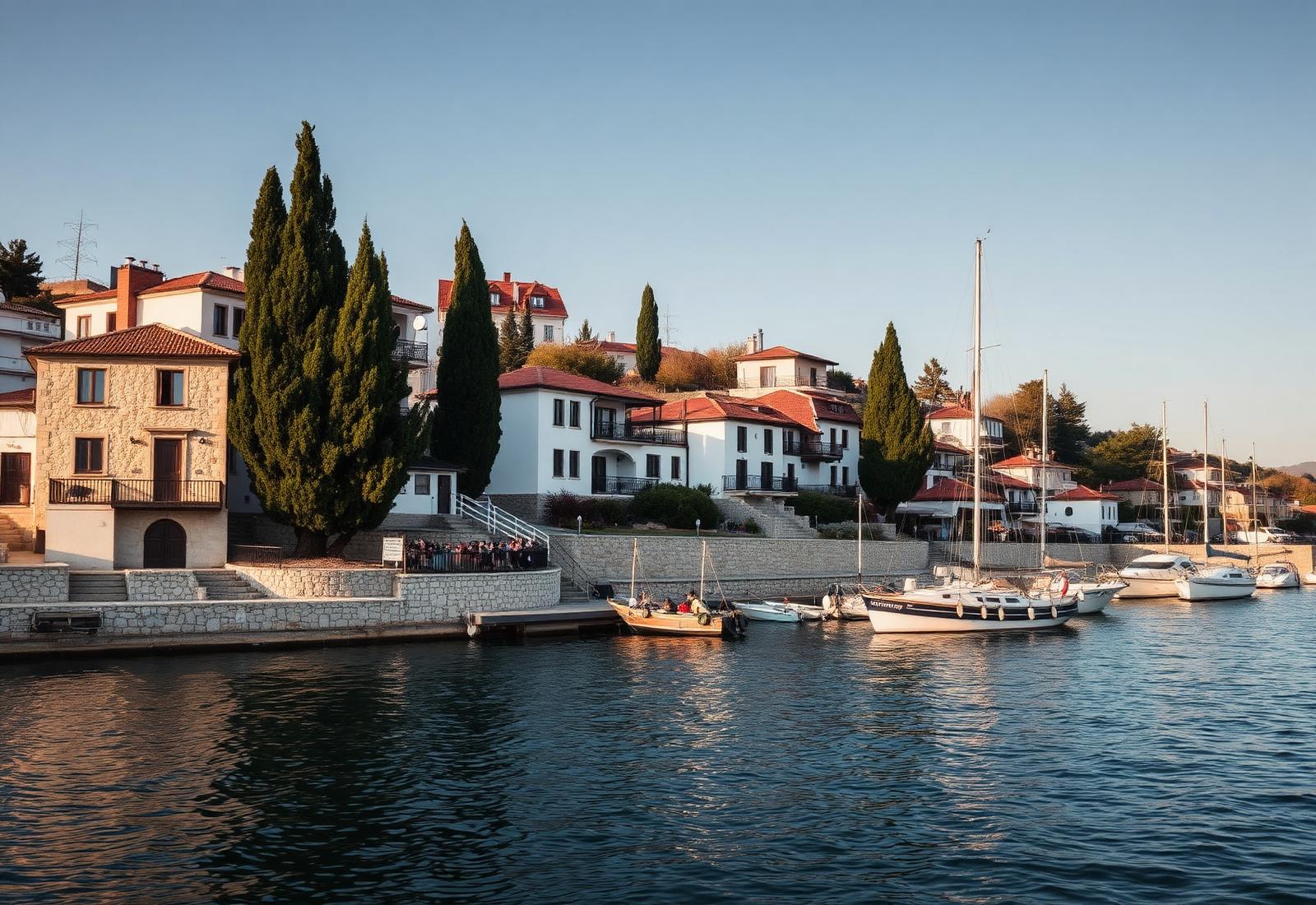
The region offers three very different ways of life. In Varna itself, you live an urban life: short distances, medical specialists, a bus and taxi network, and services in winter. In the coastal towns between Aksakovo, Byala, Balchik, Kavarna, and Shabla, it becomes quieter and more familiar – however, the services available outside the season shrink noticeably, and for specialists or authorities, you will frequently drive to Varna or Dobrich.
In the villages in the hinterland, real estate is cheapest, and many houses have gardens. The price for this is dependence on a car, thin bus connections, longer distances to medical care, and a daily life that is difficult to manage without Bulgarian skills and good neighbours. For the later stages of life, this is a decision with consequences.
A proven approach: initially live centrally in Varna, get to know the region from there, and only decide after a few months whether you would prefer it to be quieter.
This question precedes all others, as insurance coverage, registration obligations, tax jurisdiction, and the choice of housing type depend on it. A permanent move means that Bulgaria becomes the centre of your life: with residence registration, enrolment in the health system, a local GP, and usually deregistration in your home country.
A seasonal model – for example, spring to autumn on the coast, winter in the home country – leaves much as it was, but requires discipline regarding deadlines: stays over 90 days, insurance coverage abroad, and the question of where you are considered resident for tax purposes. Have both variants checked by a qualified professional for tax and social security law before you sign any contracts.
Many start deliberately on a seasonal basis and switch to permanent residence after one or two years. This is the calmest way, as every decision is based on personal experience rather than assumptions.
As a citizen of an EU state, you do not require a visa. However, for stays exceeding 90 days, registration with the responsible office of the Migration Directorate is required; you will receive a certificate of residence and – depending on your situation – a Bulgarian personal identity number. This number is practically the key to daily life: you need it for a bank account, choosing a GP, utility contracts, and many forms.
The organisational effort lies less in the appointment itself than in the preparation: proof of accommodation, proof of sufficient funds, proof of health insurance, passport and – depending on the document – translations and certifications. If a single page is missing, the appointment often ends without a result.
Therefore, plan for a buffer and bring documents in duplicate, both original and copy. Partly different requirements apply to Germans, Austrians, and Swiss nationals; the specifications of the responsible authorities at the time of your appointment are always decisive.
Varna has several clinics, university medicine, and a wide range of resident specialists; private practices often work with short waiting times. The actual issue is not availability, but your insurance status.
Those receiving a statutory pension from Germany and moving their residence to Bulgaria can in many cases use the S1 form to access benefits from the Bulgarian system. Whether and how this applies in your case is clarified exclusively by your health insurance fund and the DVKA (German Liaison Agency Health Insurance – International). Under no circumstances should you cancel existing coverage before the follow-on coverage has been confirmed in writing.
Regardless of this, early practical preparation is worthwhile: choose a GP within reach, have medical reports and medication plans translated, note active ingredient names instead of brand names, and check which of your long-term medications are available locally. Bulgaria Bound does not provide medical advice; we exclusively support you with organisation, appointments, and communication.
The answer in most cases is: rent first. A fixed-term rental costs relatively little and provides exactly what is missing from prospectuses – experience with the district, neighbourhood, noise, heating costs in winter, water pressure, and routes for shopping.
A purchase ties up capital and is linked to Bulgarian specifics: ownership checks, the condition of common property, management costs in complexes with many holiday apartments, and later resellability. Holiday complexes that seem lively in summer can be almost empty in winter. Also, check whether a flat on the third floor without a lift will still be practical in ten years.
Anyone wishing to buy should have the contract checked by their own, independent legal representative – not by someone acting for the selling side.
Living in Varna without your own car is realistic. The city has a dense bus network, taxis are relatively cheap and can be called via an app, and in central districts, you can reach doctors, pharmacies, markets, and the sea on foot. For the coast and the surrounding area, there are intercity buses and minibuses, although their frequency changes depending on the season and day of the week.
Two points should be assessed realistically: pavements and kerbs are not well-maintained everywhere, which matters if mobility is restricted. And the further you move out of Varna, the more the car replaces the timetable. Those planning to live without a car in the long term should choose their residential location accordingly – not the other way around.
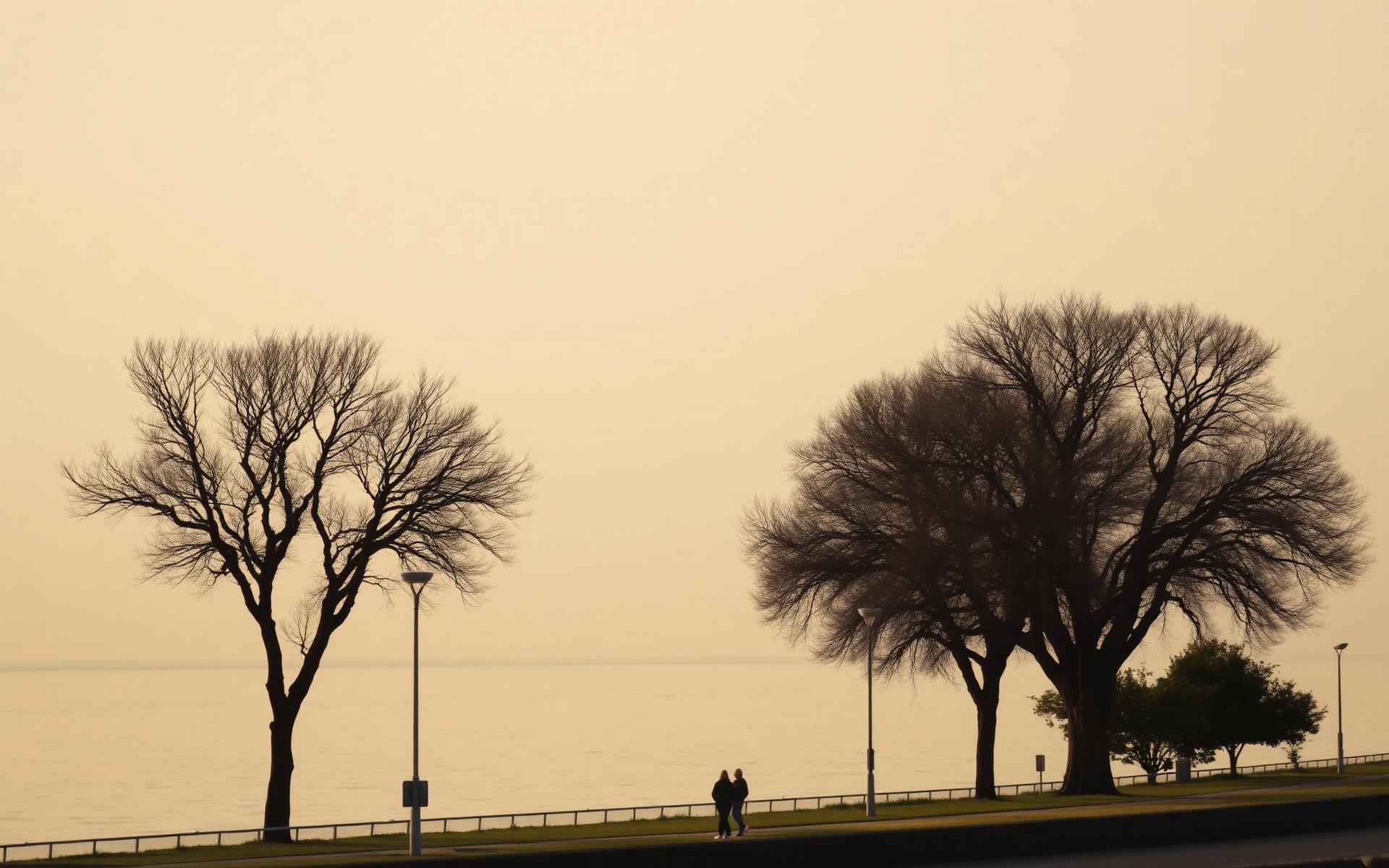
Winter on the northern Black Sea coast is mild compared to many regions in Central Europe, but it is damp, windy, and grey. The coastal promenades are empty, many beach restaurants are closed, and in purely holiday resorts, even supermarkets close at times. In Varna itself, life continues: culture, markets, cafes, and transport keep running.
Your flat is decisive. Do you heat with split-unit air conditioners, electricity, or district heating? How are the windows and insulation? Winter utility costs surprise many newcomers more than the rent. Ask landlords for real consumption values from previous years.
A winter on site – or at least several weeks between November and March – is the most reliable test of whether you also like the place without the summer backdrop.
The first week belongs to housing: handover, meter readings, keys, internet, and mobile communications. The second week is for the administrative basics – preparing residence registration, attending the appointment, opening a bank account, clarifying utility contracts.
From the third week onwards, it is about health and daily life: choosing a GP, getting to know the nearby pharmacy, noting emergency numbers and routes to clinics, and establishing shopping routines. In the fourth week, a mid-term review is worthwhile: what is missing, what is working, which routes are too long?
A realistic pace is important. Two administrative visits in one day are rare, and a morning per appointment is normal. Those who plan their first few weeks too full will lose energy over minor details.
The most common reason for returning is not bureaucracy, but loneliness in the second year. In the initial phase, curiosity carries you; after that, it is decided by whether a daily life with regular encounters has emerged.
A mix has proven practical: German-speaking contacts for orientation and familiarity, Bulgarian contacts in the neighbourhood for daily life and belonging. Language courses, choirs, hiking groups, church communities, chess or card rounds, and regular cafe visits in the same place work more reliably than one-off large events.
Even just a few hundred Bulgarian words noticeably change the tone at the baker, the doctor, and in the residential community – even if you continue the conversation in English afterwards.
The following sequence is an example, not a standard. It shows that the time required mostly arises in the home country – due to dissolving the flat, coordination with the health insurance fund and pension office, as well as searching for a flat on site.
Months 1–3: Trial stay outside the season, comparison of city, coastal town, and village, rough budget framework.
Months 4–6: Clarification of insurance status and pension payment, collecting documents, checking translation needs.
Months 7–9: Secure rental property on a fixed-term basis, relocation logistics, prepare cancellations and deregistrations.
Months 10–12: Arrival, residence registration, bank account, GP, utilities, first routines.
From Month 13: Mid-term review and only then decisions about buying or a change of location.
Checklist: The Most Important Preparatory Steps
0 of 8 items done. Your selection is only for your own overview and is not saved.
Housing types in the Varna region – organisational comparison
Criterion
Varna (City)
Coastal Town
Village in Hinterland
Daily life without a car
Well possible
Possible in town, restricted interregionally
Hardly possible
Medical specialists
On site
Mostly in Varna or Dobrich
Journey required
Winter
Lively, services continue
Noticeably quieter, some closures
Very quiet
Housing costs
Higher than in the surrounding area
Medium, seasonal
Lowest
Administrative routes
Short
Mostly to Varna
Longer distances
Common mistakes
Buying a property before the first extended stay – especially in holiday complexes that are almost empty in winter.
Cancelling the previous health insurance before the coverage in Bulgaria has been clarified in writing.
Deciding based solely on a summer visit, without knowing winter, utility costs, and the low season.
Administrative appointment without complete documents or missing translations – the appointment then usually ends without result.
Flat without a lift or with long distances to doctor and shopping, without considering the next ten years.
First weeks planned too full: more than one appointment per day is rarely realistic.
Reliance on general cost information from the internet instead of personal offers and real consumption values.
What you can organise yourself
Book a trial stay outside the season, including accommodation in a residential district instead of a hotel area.
Request documents from the health insurance fund, pension office, and registration office.
Observe property listings over several weeks and prepare questions for viewings.
Have medical reports and medication plans translated, note active ingredient names.
Walk the routes to doctor, pharmacy, market, and bus stop on site on foot.
Where Bulgaria Bound can help
Structured schedule with sequence, responsibilities, and realistic time windows.
Preparation and checking of documents for residence registration.
Appointment coordination and accompaniment with translation at offices, viewings, and practices.
Introductory day along the coast to compare city, coastal town, and village.
Coordination of the first weeks after arrival and mid-term review after 30 days.
Referral to qualified professionals for law, tax, and medicine.
Official sources
Your Europe (European Commission) — Official overview of residence rights, registration obligations, and social security for EU citizens.
German Embassy Sofia — Consular responsibility for Germans in Bulgaria, including the Honorary Consulate in Varna.
Last reviewed: July 2026. Requirements and offers may change; the information provided by the competent authorities is authoritative.
This article contains general organisational information and does not replace legal, tax, pension or insurance advice. Requirements may change and depend on your personal situation.
Next step
Bulgaria Bound can support you with planning, coordination and selected practical steps. Professional advice is provided by independent professionals.
Individual legal, tax, insurance or medical questions are not answered via WhatsApp. For a detailed assessment, please book the online consultation.
About the author
Glenna grew up German-Bulgarian, completed her medical degree in Varna and supports German-speaking people with orientation, organisation and integration in Bulgaria.
Size, infrastructure, access to healthcare, mobility, terrain, and everyday winter life: The comparison shows which lifestyle Varna is better suited for and which Balchik is the more sustainable choice for.
Reading time approx. 9 minutes · Last reviewed on 01/07/2026
Buying ties up capital and determines your location at the same time. This decision guide highlights aspects that only become apparent in everyday life and when a purchase is truly viable.
Reading time approx. 8 minutes · Last reviewed on 31/07/2026