Size, infrastructure, access to healthcare, mobility, terrain, and everyday winter life: The comparison shows which lifestyle Varna is better suited for and which Balchik is the more sustainable choice for.
By Glenna · Published on 22 January 2026 · Last reviewed: July 2026 · Reading time approx. 9 minutes
Varna and Balchik are only around 40 kilometres apart, but they differ significantly in everyday life. Both places are by the sea, both have German-speaking residents, both work well in summer. The differences show where retirement actually takes place: on trips to the doctor, when shopping in February, on the question of whether a car is necessary, and on the slopes between the apartment and the bus stop. This comparison puts the practical criteria side by side without declaring one of the two places to be the better one – this assessment depends solely on your requirements. All information is for organisational purposes and does not replace legal, tax, or medical advice.
Show contents
Size and Atmosphere
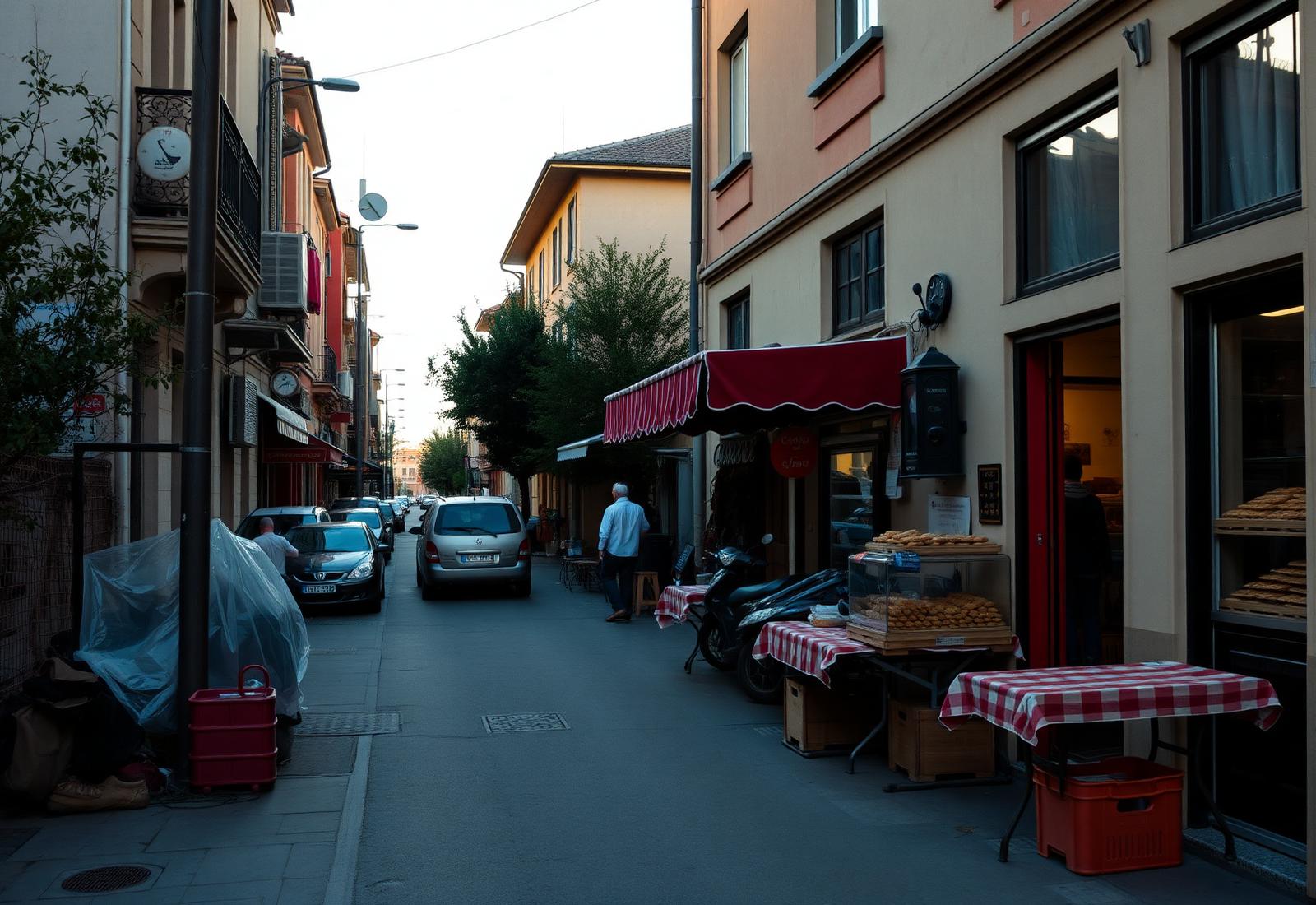
With around 330,000 inhabitants, Varna is the third-largest city in Bulgaria and the economic, medical, and cultural centre of the northern Black Sea coast. Everyday life is urban: several centres, districts with their own character, theatre and opera, a large Sea Garden, universities, and a port. Those who like hustle and bustle, choice, and anonymity will find it here. Those looking for peace and quiet must choose their place of residence within the city carefully, as main roads and holiday quarters can be noisy.
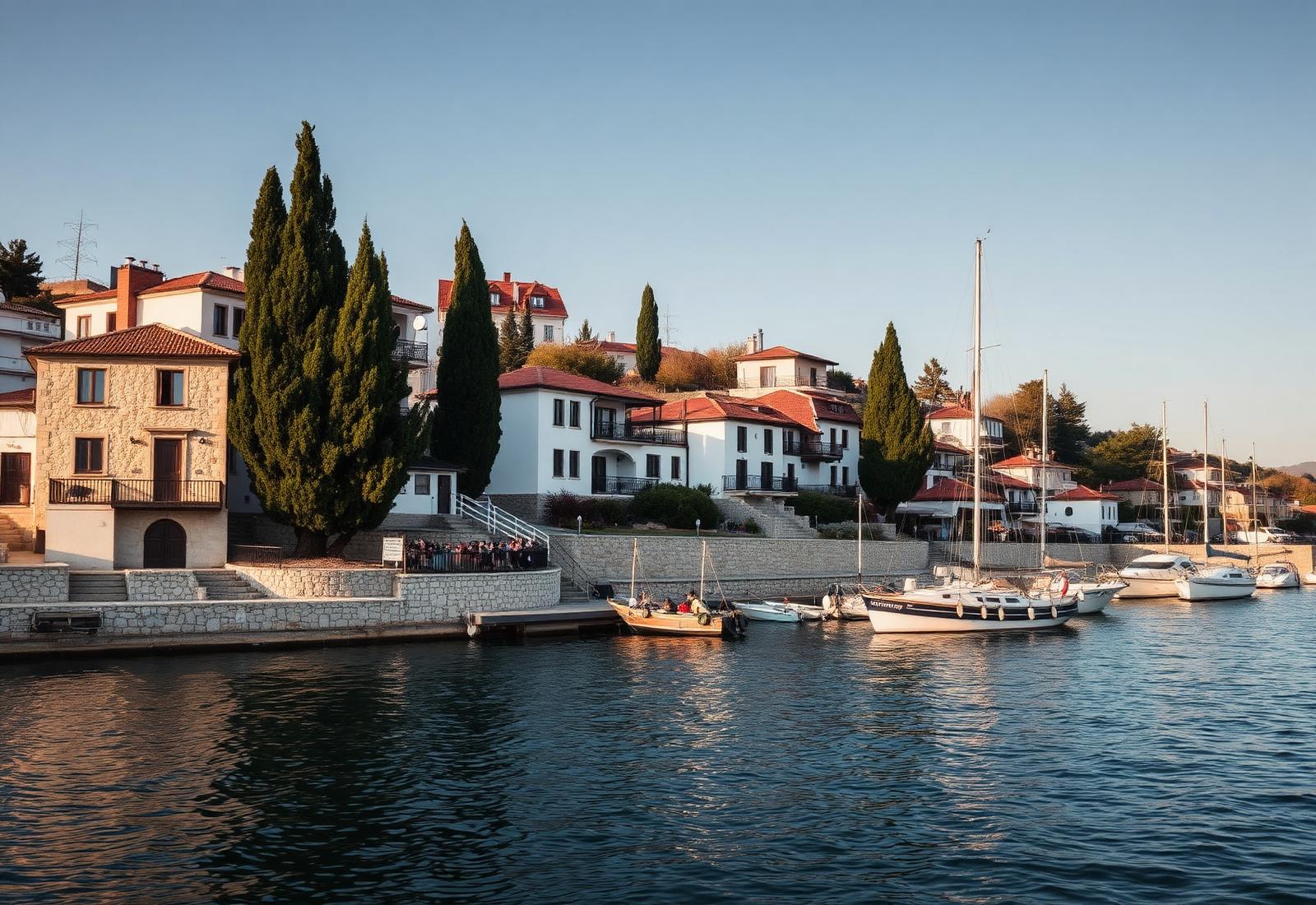
Balchik has around 11,000 inhabitants and feels like a small town built on the slope to the bay. Much of the activity takes place at the harbour, on the shore promenade, and in a few streets of the upper town. You recognise faces, neighbourhood bonds form more quickly, and the backdrop with its cliffs, Botanical Garden, and palace is extraordinary. On the other hand, the selection in all areas is smaller – from restaurants to tradespeople.
Year-round Infrastructure
The most important difference is not the summer season, but November to March. Varna is a city that functions independently of tourists: authorities, banks, workshops, doctors, cinemas, fitness offers, and language courses run continuously. Even in bad weather, there are places where you can meet people.
In Balchik, the annual rhythm is more clearly noticeable. Some of the gastronomy, many holiday apartments, and individual services are oriented towards the season. The basic supply remains, but the offer becomes thinner, and some trips that take five minutes in July require a trip to Varna or Dobrich in January.
In Varna, you will find large supermarket chains, shopping centres, specialist shops, DIY stores, opticians, hearing aid acousticians, car workshops, and a wide range of tradespeople. German-speaking or English-speaking contact persons are also easier to find because the city is international in character.
Balchik covers daily needs: supermarkets, pharmacies, post office, bank, market, hairdresser, smaller workshops. For more specialized items – certain spare parts, larger purchases, specialized trade services – you usually drive to Varna or Dobrich. Those who like using regional markets and have few demands for selection do not perceive this as a disadvantage.
Access to Healthcare
Varna has several clinics, university medical facilities, and a wide field of established specialists. Appointments are usually available at short notice, and in an emergency, the way is short. For people with regular check-ups, chronic illnesses, or ongoing treatments, this is a weighty argument.
In Balchik, there is basic primary medical and dental care as well as pharmacies. Specialist treatment, imaging, and hospital stays usually take place in Varna or Dobrich. Therefore, reckon with half a day including the journey for a specialist appointment. How well this suits you depends on your health situation and your mobility. This assessment is intended organizationally; clarify medical questions with your treating doctors.
Public Transport and Car Dependency
Varna has a dense city bus network, cheap taxis, ride-hailing services via app, and a bus station with connections to the entire region. Living without your own car is realistic here – many residents sell their cars after the first year because insurance, looking for parking spaces, and workshop visits mean more effort than benefit.
In Balchik, regional buses cover the Varna – Balchik – Kavarna axis, albeit with limited travel times that become thinner outside the season. Within the town, much can be done on foot, provided you live near the harbour or in the upper town and can handle the differences in height. For doctor's visits, larger shopping trips, and excursions into the surrounding area, a car is practical – or a solid network of taxi drivers and neighbourhood help.
This criterion is most frequently underestimated when choosing a location. Varna is predominantly flat to slightly hilly; the centre, Sea Garden, and many residential districts can be explored on foot without major inclines. Curbs, pavement surfaces, and construction sites require attention, but the paths are planable.
Balchik is a hillside town. Between the harbour promenade and the upper town, there are significant differences in height, partly steep streets and stairs. Those who are good on their feet experience this as daily exercise with a view. In the case of joint problems, respiratory diseases, or the prospect of declining mobility, the location of the apartment is decisive: an apartment at the top with a connection to level paths is quite different from an apartment from which every shopping trip leads back uphill.
Winter and Off-season
Winters on the northern Black Sea coast are mild but windy and damp; individual snow and frost days occur. In Varna, life moves indoors during this time: cafés, markets, events, and courses continue, and the streets remain lively.
In Balchik, it becomes quiet. Those looking for peace and quiet perceive exactly that as a quality. Those who need social stimulation should test a winter stay in advance before a property is purchased. A second point: heating. Older buildings on the coast are often less well insulated than usual in Germany, and the humidity is higher – check the type of heating, windows, and moisture protection at every viewing, in both places.
Social Opportunities
In Varna, there are more opportunities and more anonymity: language courses, choirs, sports groups, church communities, international meetings, and neighbourhoods with many residents. Contacts arise where you actively seek them; little happens by itself.
In Balchik, contacts arise more quickly, but the circle is smaller. People know each other, help each other, and meet repeatedly – this carries well, but can become narrow if the chemistry with the few German-speaking neighbours is not right. Basic knowledge of Bulgarian acts as a door opener in both places, but significantly faster in the smaller place.
Apartments dominate in Varna: newer buildings with lifts on the outskirts, older buildings in the centre, plus residential complexes with courtyards. Houses with gardens can be found in suburbs such as Vinitsa, Galata or Aksakovo, with correspondingly longer journeys into the city.
Balchik offers more houses, hillside plots with sea views and holiday complexes that at times stand largely empty. In both places, pay less attention to the price per square metre than to the lift, the floor, the state of maintenance of the building, the management of the complex and the actual running costs in winter. Whether you rent first or buy straight away is a separate decision – and in an unfamiliar region it should usually favour renting.
Varna Airport is located in the west of the city area and can be reached from most districts in a short time – by taxi, or in part by bus. For people visiting from German-speaking countries and for your own travel, this is a genuine convenience factor, even though the flight offering is noticeably reduced in winter.
From Balchik, you travel to the same airport, but should plan for around an hour's driving time depending on traffic, plus organising the journey itself. For frequent travel or regular visitors, this adds up.
Advantages and Disadvantages at a Glance
Neither of the two places is objectively better. They differ in what they reliably deliver – and in what they require.
Varna, advantages: year-round infrastructure, clinics and specialists, local transport, proximity to the airport, wide range of courses.
Varna, disadvantages: higher rental and purchase prices, traffic and noise, less personal neighbourhood, careful choice of location necessary.
Balchik, advantages: peace, scenery, manageable neighbourhood, often cheaper housing costs, more houses and gardens.
Balchik, disadvantages: seasonal rhythm, smaller range of services, specialists out of town, inclines, in practice a car is often necessary.
Varna might be a better fit if...
... you have regular specialist appointments or short distances in an emergency are important.
... you want to live without your own car or are dependent on local transport and taxis.
... you need offers, courses, and encounters in winter.
... you fly frequently or expect frequent visitors.
... you prefer level walking routes and good accessibility of shops.
Balchik might be a better fit if...
... you are expressly looking for peace, scenery, and a manageable place.
... you are mobile, like to walk, and inclines are not an issue.
... you have a car or can organise reliable travel arrangements.
... you want a house with a garden or sea view and are willing to travel for it.
... you prefer to build contacts in a small, fixed circle.
How to reach a sustainable decision
Do not rely on a summer visit. Plan a stay of at least one week in both places, including one stay between November and March if possible. Go through everyday life: shopping, pharmacy, bus, driving to the doctor's surgery, bridging a rainy day, being out and about in the evening.
A pragmatic way that has often proven successful in practice: live in Varna for the first year as a tenant, get to know the coastal towns from there in peace, and only then decide whether it should become smaller and quieter. In this way, the decision is based on your own experience – and not on assumptions.
Varna and Balchik in Organisational Comparison
Criterion
Varna
Balchik
Size and Atmosphere
Large city, around 330,000 inhabitants, urban everyday life
Small town, around 11,000 inhabitants, hillside location on the bay
Year-round Infrastructure
Open throughout, independent of the season
Clear seasonal rhythm, quiet winter
Shopping and Services
Chains, specialist shops, wide range of tradespeople
Daily needs locally, specialized items in Varna or Dobrich
Access to Healthcare
Clinics and specialists in the city area
Primary care locally, specialists elsewhere
Public Transport
Dense bus network, taxis, ride-hailing services
Regional buses with limited times
Car Dependency
Living without a car well possible
Car or fixed travel arrangements usually necessary
Terrain and Walking Distances
Predominantly flat to slightly hilly
Slopes and stairs between harbour and upper town
Winter and Off-season
Lively, courses and events continue
Very quiet, smaller offer
Social Opportunities
Many groups and courses, actively seek contacts
Faster neighbourhood, smaller circle
Apartment Types
Mainly floor apartments, houses in the suburbs
More houses, hillside plots, holiday complexes
Distance to Airport
Airport in the city area
Plan for around one hour driving time
Common mistakes
Decision solely based on the summer impression of a short visit.
Underestimated paths to specialists and authorities from smaller places.
Assumption that offers and opening times remain the same year-round.
What you can organise yourself
A stay of several days in each location – if possible outside the season.
Walk to doctors, shopping, and bus stops on foot.
Observe rental offers in both places over several weeks.
Where Bulgaria Bound can help
Introduction day along the coast with a comparison of several places in one day.
Classification of the regions according to your everyday requirements.
Individual legal, tax, insurance or medical questions are not answered via WhatsApp. For a detailed assessment, please book the online consultation.
About the author
Glenna grew up German-Bulgarian, completed her medical degree in Varna and supports German-speaking people with orientation, organisation and integration in Bulgaria.
Living in Varna year-round: Everyday life outside the summer season
Between November and March, the coast shows its second face. Knowing districts, heating, transport, and supply in winter makes your decision about where to live more robust.
Reading time approx. 8 minutes · Last reviewed on 31/07/2026
Life without a car in Varna and on the northern Black Sea coast
In central locations of Varna, daily life without your own car is well possible. In outer districts and small coastal towns, the situation is different.
Reading time approx. 7 minutes · Last reviewed on 30/07/2026
Buying ties up capital and determines your location at the same time. This decision guide highlights aspects that only become apparent in everyday life and when a purchase is truly viable.
Reading time approx. 8 minutes · Last reviewed on 31/07/2026