Living in Varna year-round: Everyday life outside the summer season
Between November and March, the coast shows its second face. Knowing districts, heating, transport, and supply in winter makes your decision about where to live more robust.
By Glenna · Published on 28 March 2026 · Last reviewed: July 2026 · Reading time approx. 8 minutes
Most people get to know Varna in summer: warm sea, lively promenade, open restaurants until late at night. However, for a decision on a permanent residence, November is the more honest yardstick. This article describes how everyday life in Varna changes over the year – and which questions you should clarify before committing.
Show contents
Varna is more than a summer destination
With around a third of a million inhabitants, Varna is Bulgaria's third-largest city, a university city, port city, and administrative center of the region. This is the crucial difference to the seaside resorts on the coast: the city does not live from tourism alone, but from administration, medicine, the university, the port, and services.
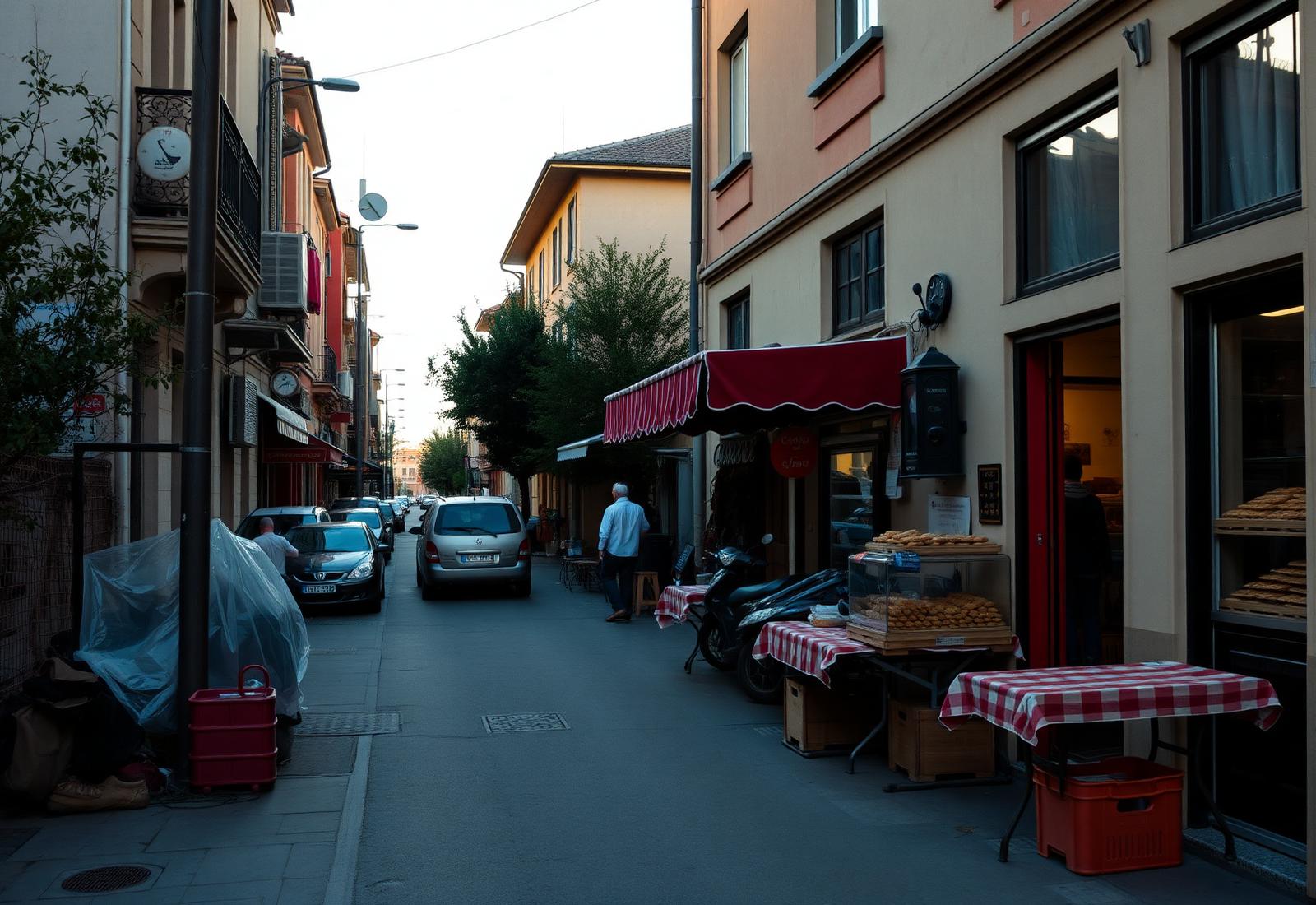
Practically, this means: supermarkets, markets, specialists, banks, authorities, workshops, public transport, theatre, and opera operate all year round. Anyone living here in January finds a functioning city – not a closed holiday complex.
What changes is the fringe: beach operations, seasonal beach bars, some restaurants by the water, and many offers in the surrounding resorts. Urban everyday life remains.
Everyday life in the different seasons
The year on the northern Black Sea coast falls into four distinctly different phases, and each makes different demands on housing and daily structure.
Spring from April is the most pleasant time for many: mild temperatures, few crowds, parks and cafés reopen. Summer from June to September is hot, lively, and loud in locations close to the beach. Autumn is considered the second good season – warm sea, empty promenade, stable temperatures until October.
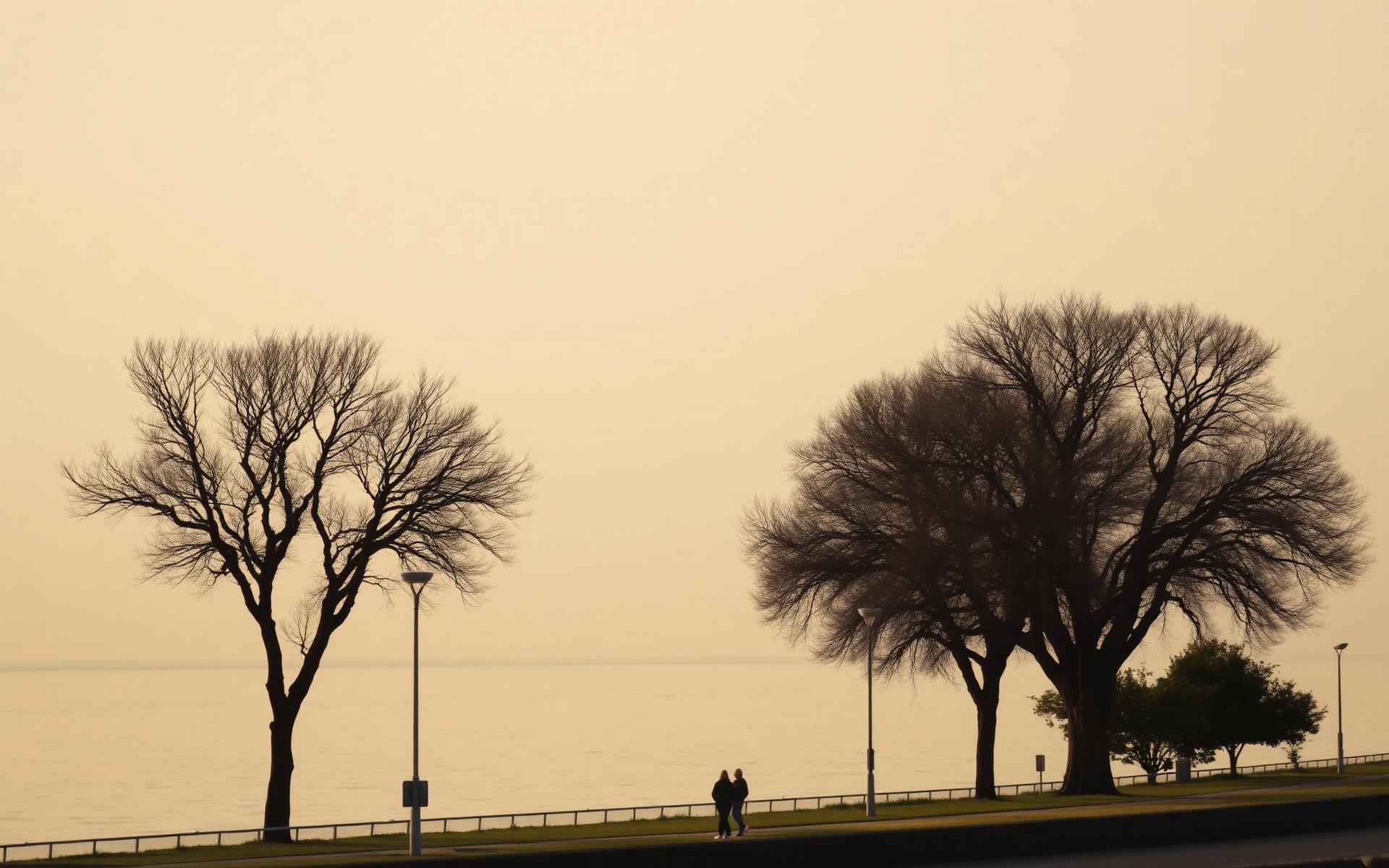
Winter from December to February is mild compared to Central Europe, but damp and windy. Frost and snow occur, but usually don't last long. What is crucial for well-being is less the temperature than the wind, the humidity, and the question of how well the apartment handles them.
Spring: quiet, mild, good time for administrative procedures and apartment hunting
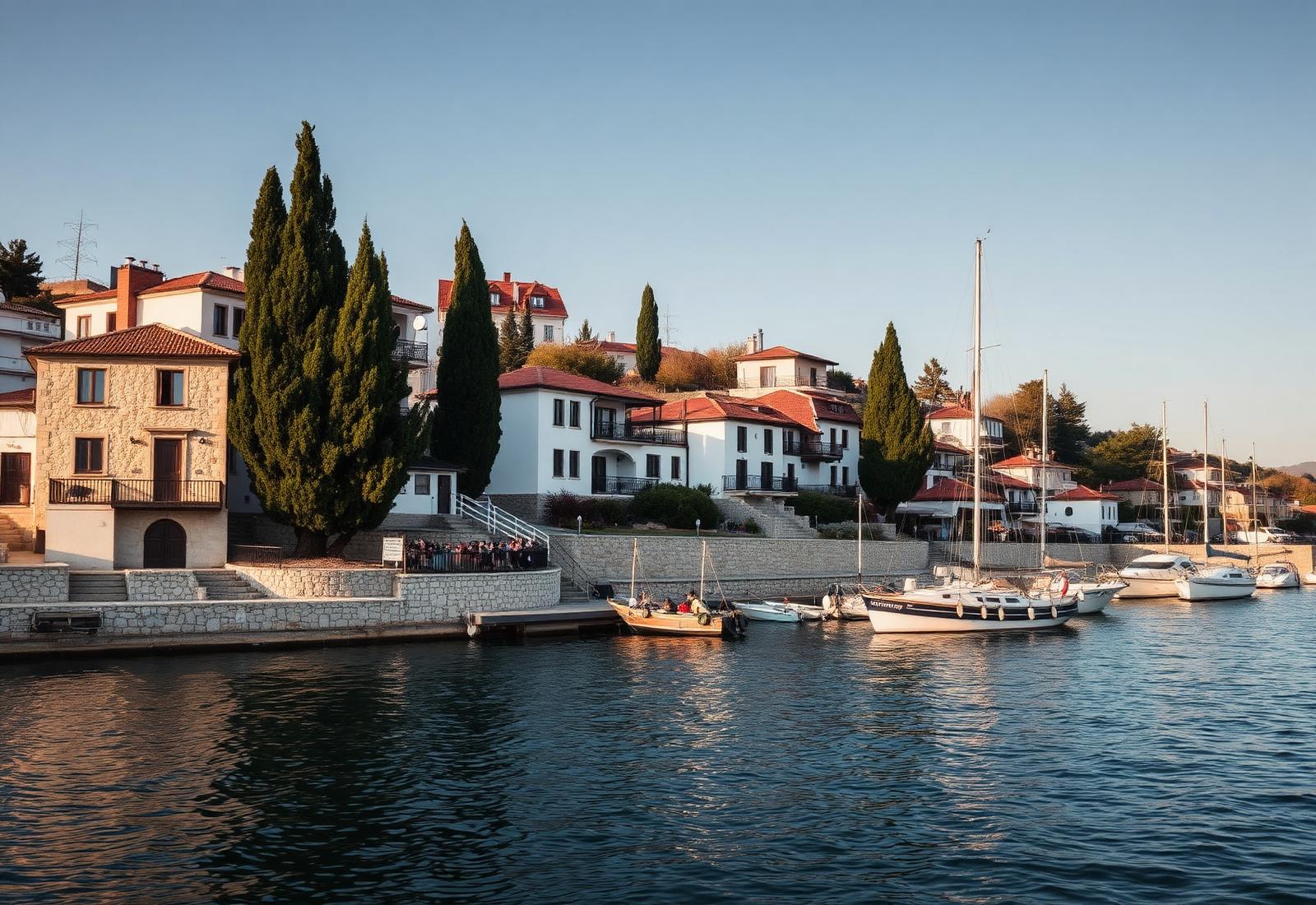
Summer: hot and lively, locations close to the beach loud and full
Autumn: warm sea, few crowds, many consider it the best time
Winter: mild but damp and windy, focus on apartment and daily structure
Residential districts and location
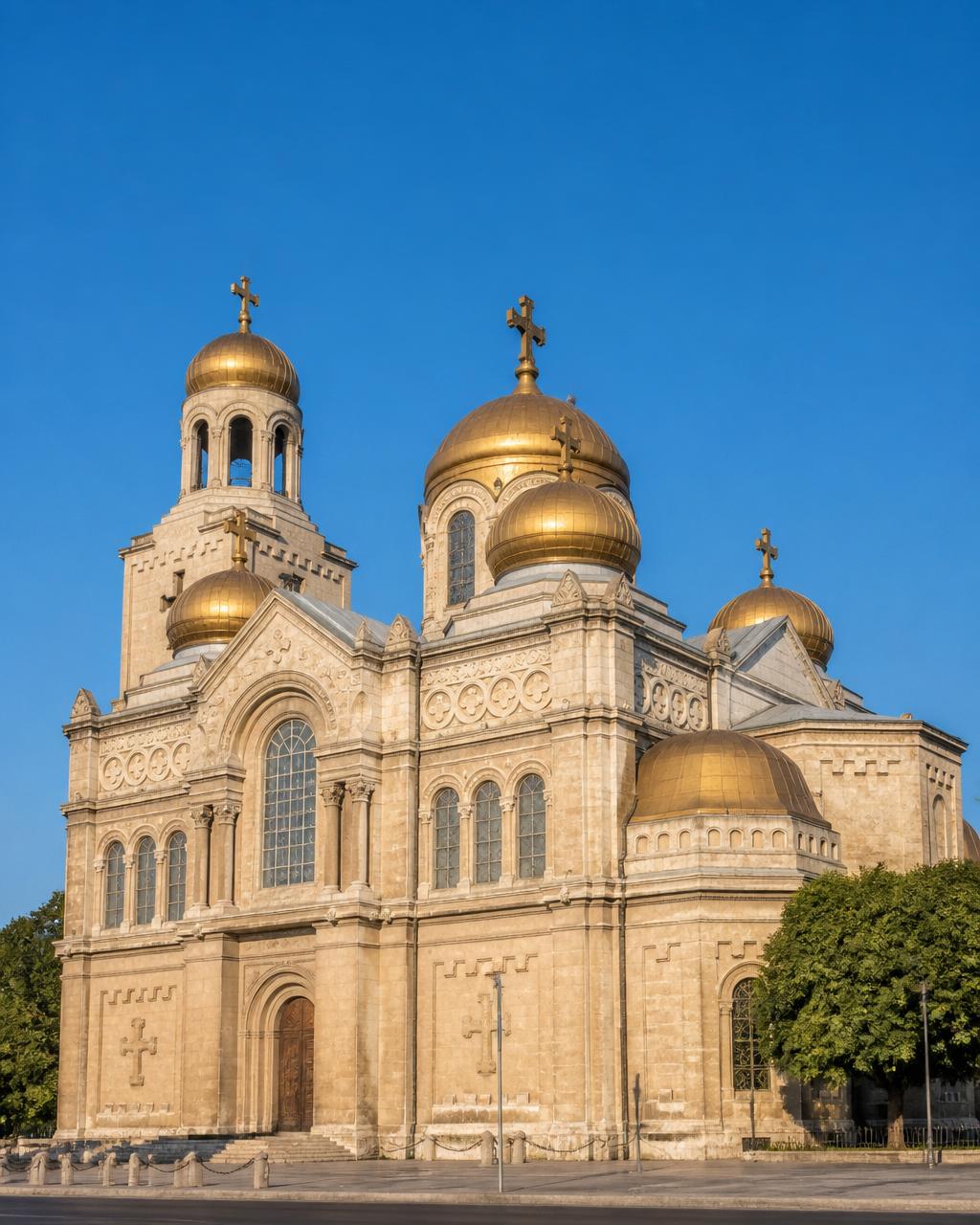
Varna is divided into districts that differ greatly in year-round everyday life. The center around the Cathedral and the Sea Garden offers short distances, dense supply, culture, and public transport, but more traffic and higher rents. The large residential districts in the west and north are quieter and cheaper, with functioning local supply and good bus connections, but further away from culture and the coast.
The slopes with sea views are scenically attractive and very pleasant in summer; gradients, footpaths, bus connections, and the share of year-round occupied apartments should be checked there. The resorts north of the city are in turn strongly seasonal.
A robust choice does not emerge from photos, but from paths: actually walk the distance to the supermarket, the pharmacy, the stop, and the GP, preferably on a rainy weekday in winter.
The most common disappointment in the first winter does not concern the weather, but the apartment. Heating in Varna is predominantly done with air conditioning units (split systems) or heat pumps, partly with electric radiators, in some districts via district heating, and in older houses also with wood or pellet stoves. The combination of heating type, windows, and insulation decides on comfort and electricity bills.
Humidity is the second topic. Proximity to the sea, wind, and little sun in January favor condensation and mold in poorly ventilated or uninsulated rooms. Therefore, ask for sample bills from the months of December to February and look closely at window reveals, exterior walls, and bathrooms.
Clarify heating type, number of devices, and maintenance status before signing the contract
Request electricity bills for the winter months, not annual averages
Check windows, insulation, weather side, and traces of moisture
Inquire about hot water supply and reliability
Plan for an electric radiator as a reserve for cold spells
Shopping and services
Supply is unproblematic year-round. Large supermarket chains, shopping centers, DIY stores, and pharmacies are accessible without a car, and the fresh markets remain open even in winter, with a smaller, seasonal range. German specialty products can be found occasionally; most everyday goods are available in equal quality and are significantly cheaper.
Services are also well-represented: craftsmen, laundries, hairdressers, workshops, cleaning help, delivery services. The difficulty is usually not the offer, but the language. Anyone who masters a few sentences of Bulgarian and has built up a few reliable contacts handles everyday life without accompaniment.
The Bulgarian cultural scene runs in winter, not in summer. The opera, philharmonic, theatre, museums, cinemas, and libraries have their season from autumn to spring, and prices are very moderate from a Western European perspective. Added to this are sports pools, fitness offers, folk dance and language groups, as well as associations and meetings of German-speaking residents.
For everyday winter life, what counts is less the quantity of offers than their regularity. Two or three fixed appointments a week reliably carry you through the dark months – a language course, a swimming day, a choir, a regulars' table (Stammtisch), or a weekly market visit.
Varna has a dense bus network that connects the residential districts with the center, railway station, airport, hospitals, and the northern coastal towns. Payment is made on the bus or by card; fares and season tickets are low. Taxis are numerous and cheap, which complements many journeys for which no bus fits.
Important: Routes, frequencies, and prices change, and in the winter months, connections to the resorts are thinned out. Therefore, do not rely on timetable information from guides or forums, but on current information from the city and the transport company – the source list below leads directly there.
Regional buses to Balchik, Dobrich, Kavarna, and Shabla run all year round, but with significantly reduced frequency outside the season. Anyone who wants to live outside Varna should try it themselves on a weekday in January.
Varna is a medical center of the region: several large clinics, a medical university, a wide range of specialists, laboratories, dentists, and many pharmacies, some with long opening hours. Distances are short, and appointments are often available more quickly than in Germany.
Two points are organizationally crucial and should be clarified before moving: your insurance situation and an accessible GP near your home, ideally with a language in which you can communicate safely. Bulgaria Bound does not provide medical or insurance advice; your health insurance, the German liaison offices, and the treating specialists are responsible.
Locations close to the beach and the resorts north of the city are dreamlike in summer and often very quiet in January: closed restaurants, few neighbors, thinner bus connections, longer paths to the doctor and shopping. City locations are less spectacular but evenly supplied year-round and socially more lively.
For a permanent residence in retirement, the city location is usually the more viable choice, while the location close to the beach is the more beautiful one. Those who want both should live in a district close to the city with walking access to the Sea Garden – there the sea is close and the infrastructure is complete.
Traffic, noise, and tourism
Varna is a loud city in the height of summer. Traffic in the center, construction sites, music on the promenade, and the bustle of a port city are part of it. Between July and August, roads, car parks, and beaches are significantly fuller, and in complexes with a high share of holiday rentals, neighbors change weekly.
Conversely, the same environment flips to the opposite in winter. You only get a realistic picture if you experience a location at both times: once in August in the evening and once on a Tuesday in February.
Who Varna might be less suitable for
Varna does not fit every lifestyle, and stating that openly saves disappointment. Those looking for absolute peace, village neighborhoods, or garden life are better off on the coast outside the city or in the hinterland – with the lower supply standards there as the price.
Those who have very low noise tolerance and want to live centrally
Those who expect exclusively German-speaking supply in everyday life
Those who hope for consistently warm, dry winters
Those who need a large garden area and rural surroundings
Those who absolutely require regular, plannable direct flights in winter
Why a trial stay can be sensible
All previous points can be clarified more quickly and cheaply than research can: by several weeks of trial living, ideally between November and March. A winter stay shows heating behavior, humidity, neighborhood, paths, bus frequency, and your own mood on gray days – exactly the factors that decide on satisfaction.
It is useful to organize the trial stay like everyday life and not like a holiday: shopping, cooking, organizing a GP visit, taking the bus, attending a course, looking at administrative procedures. Those who still want to stay afterwards decide on a robust basis.
Individual legal, tax, insurance or medical questions are not answered via WhatsApp. For a detailed assessment, please book the online consultation.
About the author
Glenna grew up German-Bulgarian, completed her medical degree in Varna and supports German-speaking people with orientation, organisation and integration in Bulgaria.
Size, infrastructure, access to healthcare, mobility, terrain, and everyday winter life: The comparison shows which lifestyle Varna is better suited for and which Balchik is the more sustainable choice for.
Reading time approx. 9 minutes · Last reviewed on 01/07/2026
Life without a car in Varna and on the northern Black Sea coast
In central locations of Varna, daily life without your own car is well possible. In outer districts and small coastal towns, the situation is different.
Reading time approx. 7 minutes · Last reviewed on 30/07/2026