Life without a car in Varna and on the northern Black Sea coast
In central locations of Varna, daily life without your own car is well possible. In outer districts and small coastal towns, the situation is different.
By Glenna · Published on 10 April 2026 · Last reviewed: July 2026 · Reading time approx. 7 minutes
Whether you need your own car in Bulgaria is not decided by the country, but by your specific address. There are worlds between a central flat in Varna and a house in a small coastal town in everyday life – especially if walking becomes harder or regular doctor's appointments are due.
Show contents
Assessing personal mobility realistically
Before you compare locations, it is worth taking an honest look at your own mobility. How many metres can you walk without discomfort? How steady are you on uneven ground? How often do you carry shopping, and how does heat in summer or cold in winter affect your endurance?
Perspective is also important: A residential location that works well today should also be viable in five or ten years. Those who ask this question early are less likely to choose an address that later strictly requires a car or a transport service.
Additionally, plan for phases where you are temporarily restricted – after an operation, during a cold, or if a partner cannot drive. An address that only works with a car then becomes inconvenient very quickly.
Reliable walking distance without a break, including uphill
Safety on cobblestones, gravel, and stairs
Ability to carry shopping or use a trolley
Willingness to use buses or taxis regularly
Central urban locations in Varna
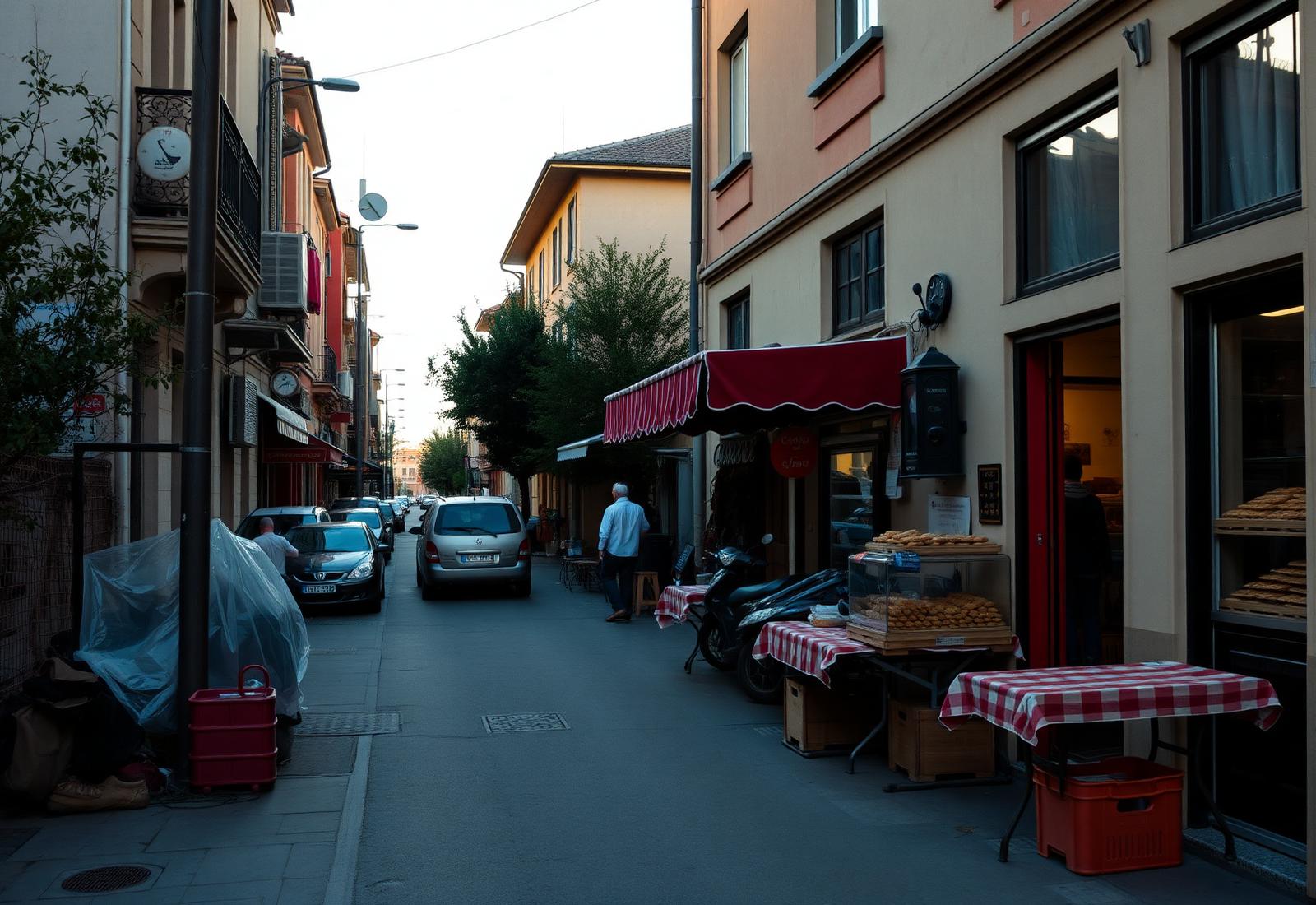
In the central districts – around the Cathedral, the Sea Garden, Grazhdanska, and Levski – supermarkets, pharmacies, doctors, banks, cafes, and authorities are usually within a few minutes' walk. It is precisely this density that makes life without a car realistic.
However, central locations are more expensive, noisier, and busier in summer. Many buildings are older, and a lift is by no means guaranteed. A third-floor flat without a lift very quickly negates the advantage of short distances.
Short, level paths to shopping and doctors
Dense bus network and many taxi ranks
Higher rents, more noise, less parking space
Be sure to check the lift and staircase
Outer districts
Districts like Vladislav Varnenchik, Mladost, or Asparuhovo offer more living space for less money and often quieter neighbourhoods. Basic supplies are usually available, but specialists, clinics, and authorities are often located in the city centre.
This shifts the travel from walking to driving. This is feasible without a car, but it means several bus trips per week, occasional transfers, and longer time windows for appointments. Therefore, check not only the distance but the actual connection.
Coastal towns
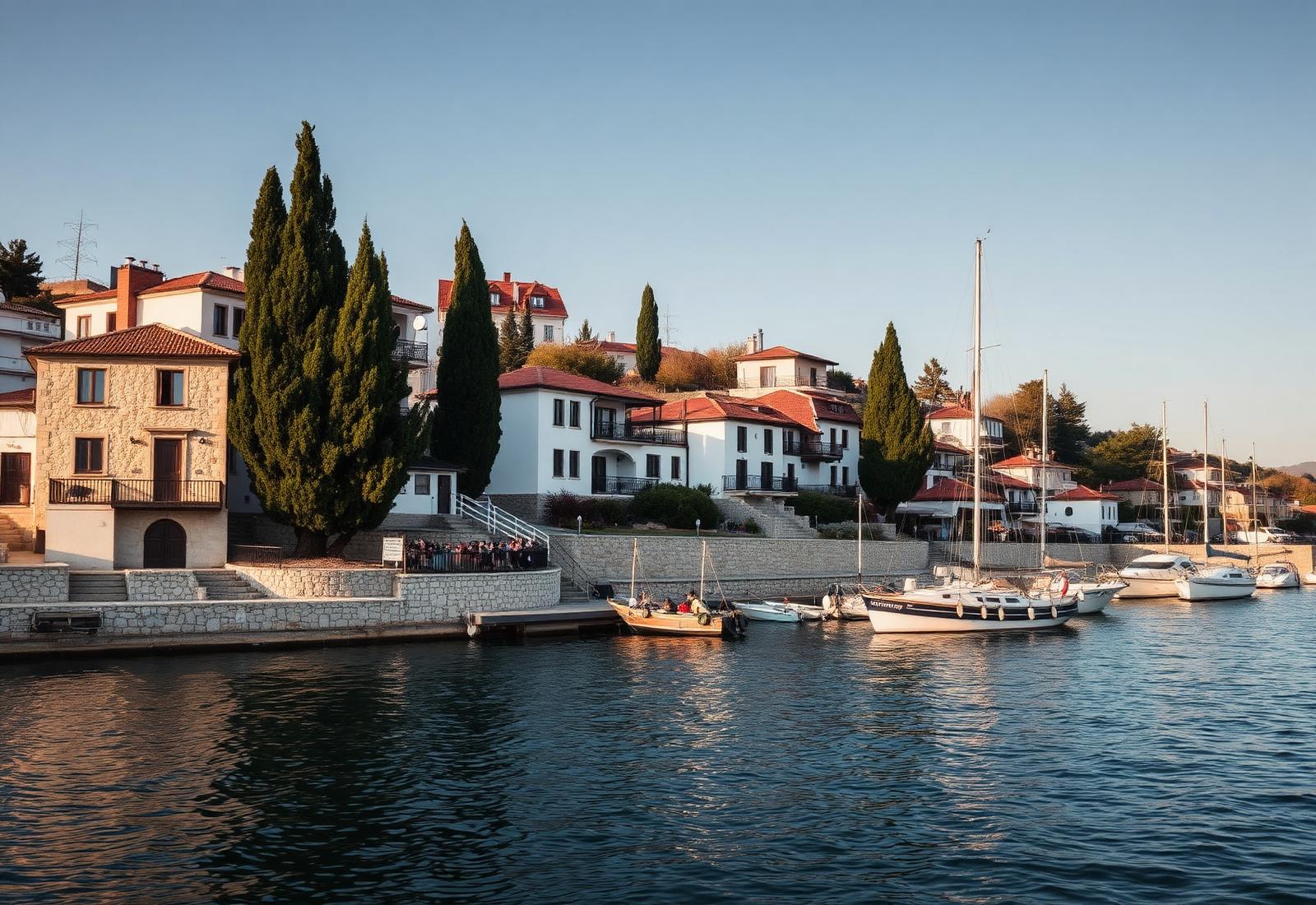
In towns like Balchik, Kavarna, Byala, or Shabla, life is quieter and cheaper – and the dependence on mobility is significantly higher. Long-distance buses connect the coast with Varna, albeit with a thinner frequency than the urban transport.
Those living there without a car should live in the town centre, not on the outskirts or in a holiday settlement. Houses on a slope with a view of the sea are attractive but are often far from bus stops, pharmacies, and doctor's surgeries.
Central town location instead of the outskirts or holiday complexes
Check connections to Varna for specialist appointments
Test accessibility in winter, not just during the season
Varna is not a flat city. Between the harbour, the city centre, and the higher-lying districts, there are significant slopes, as well as staircases and underpasses. The condition of the pavements also varies: cobblestones, loose slabs, lowered kerbs, and cars parked on the pavement are common.
For people with a walker, a cane, or an unsteady gait, this is more decisive than any kilometre specification. Walk the path from the house entrance to the supermarket and the bus stop yourself during a viewing – ideally twice, once in dry conditions and once in rain.
Shopping in everyday life
For daily needs in the city, small supermarkets, bakeries, and markets near the residence are sufficient. Many people handle large shopping trips by bus, with a trolley, or by taking a taxi for the return journey – a deliberately used ride often replaces an entire car.
Delivery services for groceries, drinks, firewood, or pharmacy items are common in Varna, but more irregular in small towns. Ask specifically on-site which services deliver to your address and whether ordering in English or German is possible.
Supermarket and pharmacy ideally within walking distance
Know the weekly market and opening hours in the area
Clarify delivery options for heavy shopping
Doctors and appointments
Access to healthcare is the most important mobility factor of all. A general practitioner near the residence is worth their weight in gold; specialists, laboratories, and clinics are concentrated in Varna. Those living on the coast should realistically plan half a day for an appointment.
Also think of situations where you cannot drive yourself or are not allowed to drive after an examination. Then it matters whether an escort, a taxi, or a transport service is reliably available. Bulgaria Bound does not provide medical recommendations – we support exclusively in an organizational capacity.
Varna has a dense urban bus network with many lines, electronic payment, and stops in all residential districts. For the coastal towns, long-distance buses and minibuses take over the connection, sometimes with different frequencies at weekends and in winter.
Lines, frequencies, and tariffs change – published timetables quickly become outdated. Therefore, always check the current information from the transport company and the city, and test your most important connections on a normal working day, not just at the weekend.
Check current lines with the city transport company
Travel the most important connection yourself on a working day
Inquire separately about winter and weekend frequencies
Taxi and transport services
Taxis are numerous in Varna, relatively inexpensive, and can be ordered by phone or app. For regular routes – doctor, market, station – many newcomers budget a monthly taxi allowance and find it cheaper than having their own vehicle with insurance, maintenance, and the search for parking.
Selection is important: Use dispatch centres or apps with displayed tariffs instead of vehicles waiting at tourist points. In smaller towns, there are often only a few drivers – there it is worth having a fixed number and a reliable contact.
Airport access
Varna Airport is located west of the city and can be reached by bus or taxi in a reasonable amount of time. For visits from family and for travel to Germany, Austria, or Switzerland, this is a significant advantage of the region.
Note that the flight offer fluctuates seasonally: there are many direct connections in summer, significantly fewer in winter, sometimes with transfers via Sofia. Those living on the coast should have played through the journey to the airport with luggage at least once without a car.
Seasonal restrictions
Between October and April, the coast changes: some restaurants, shops, and service providers close, connections are thinned out, and many flats in holiday complexes remain empty. In Varna, this effect is minor; in small towns, it is clearly noticeable.
Added to this are weather factors: rain and frost make unpaved paths slippery, snow is possible, and pavements are not cleared quickly everywhere. Anyone living without a car should have experienced these months at least once before deciding on a location.
Take a fixed list to every viewing and walk the paths yourself. The checklist below can be worked through directly in the browser and printed – so you compare two addresses according to the same criteria rather than by gut feeling.
Bulgaria Bound does not act as a broker, legal advisor, or health service provider. We help organizationally: with the classification of residential locations by accessibility, with appointments on-site, and with your first steps on your own.
Mobility checklist for viewings
0 of 15 items done. Your selection is only for your own overview and is not saved.
Mobility without a car: comparison of typical locations
Criterion
Central Location Varna
Outer District
Small Coastal Town
Daily paths on foot
mostly possible
basic supplies yes, rest by bus
limited depending on town location
Bus connection
dense, many lines
available, sometimes with transfers
thin frequency, variable by season
Specialists and clinics
nearby
trip to the city centre
trip to Varna, half a day
Taxi availability
high
good
few drivers, fixed number necessary
Terrain and pavements
some slopes and cobblestones
mixed
often hillside and unpaved paths
Winter
hardly any restrictions
minor restrictions
noticeably restricted
Common mistakes
Chosen cheap rent on the outskirts and underestimated the daily journeys.
Viewed residential location only in summer when buses and shops were in full operation.
Assessed distance in kilometres instead of checking walking time, slope, and pavement condition.
Did not check the lift, staircase, and house entrance.
Only calculated specialist and clinic routes after moving in.
What you can organise yourself
Walk everyday routes yourself during viewings and note times.
Test most important bus connections in winter on a working day.
Obtain current line and tariff information from the transport company.
Try out local taxi centres and delivery services and save numbers.
Where Bulgaria Bound can help
Classification of residential locations by accessibility of shopping, doctor, and bus stop.
Escort during the first steps and journeys on your own.
Organisation of journeys to appointments within and outside of Varna.
Discovery day along the coast with a focus on mobility instead of the view.
Individual legal, tax, insurance or medical questions are not answered via WhatsApp. For a detailed assessment, please book the online consultation.
About the author
Glenna grew up German-Bulgarian, completed her medical degree in Varna and supports German-speaking people with orientation, organisation and integration in Bulgaria.
Size, infrastructure, access to healthcare, mobility, terrain, and everyday winter life: The comparison shows which lifestyle Varna is better suited for and which Balchik is the more sustainable choice for.
Reading time approx. 9 minutes · Last reviewed on 01/07/2026
Living in Varna year-round: Everyday life outside the summer season
Between November and March, the coast shows its second face. Knowing districts, heating, transport, and supply in winter makes your decision about where to live more robust.
Reading time approx. 8 minutes · Last reviewed on 31/07/2026
Not everyone wants to live directly by the sea. These three locations show the spectrum between an administrative city, a small town, and a quiet coastal edge.
Reading time approx. 6 minutes · Last reviewed on 22/06/2026