An honest decision-making aid: in which locations in Varna and on the Black Sea coast you can live well without a car – and where a vehicle is truly necessary in everyday life.
By Glenna · Published on 31 July 2026 · Last reviewed: July 2026 · Reading time approx. 6 minutes
The question of a car on the Bulgarian Black Sea coast is not a matter of taste, but of location. In the centre of Varna, a vehicle is a burden rather than a help for many; in a village between Balchik and Kavarna, it can be the prerequisite for remaining independent at all. This guide organises the typical locations, goes through everyday routes – shopping, doctor's appointments, getting around town – and concludes with a matrix with which you can assess your own situation. There is no universal answer, but there are clear patterns.
Show contents
Central Varna: perfectly possible without a car
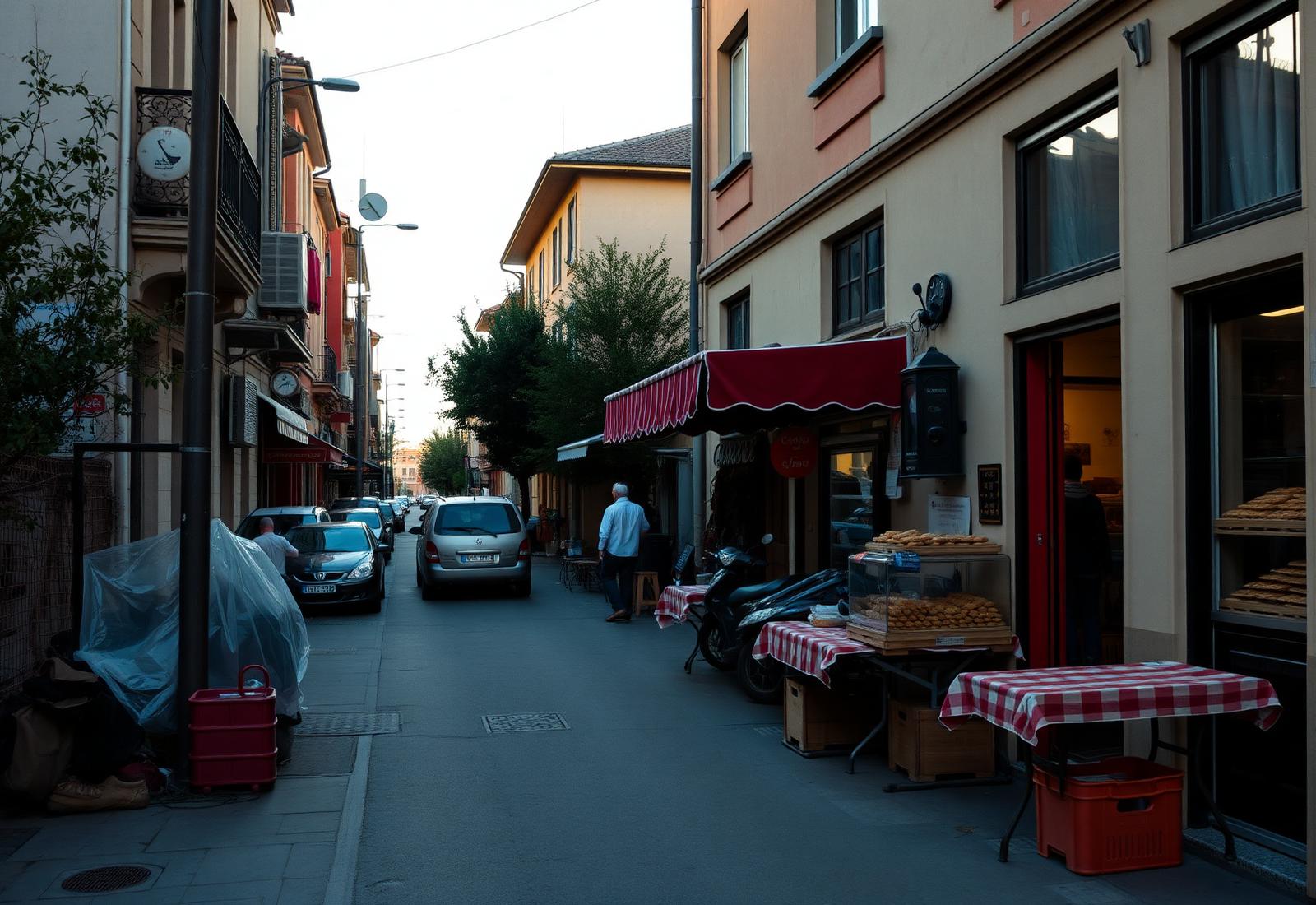
In the heart of Varna – around the Cathedral, the pedestrian zone, the Sea Garden and the adjacent residential quarters – daily life is within walking distance. Grocery shops, pharmacies, bakeries, markets, banks, surgeries and cafés are usually within a ten to fifteen-minute walk. Many residents without a car describe exactly this as the reason why they live centrally.
What you accept in return: sometimes uneven pavements, kerbs without lowering and a lot of activity in the summer. Therefore, do not check the distance on the map, but the actual route – on foot, at your own walking speed, with a shopping bag. A lift in the building is more important in this calculation than a garage.
Outer districts: it depends on the street
In districts such as Levski, Vladislavovo, Asparuhovo or Briz, the situation is mixed. Basic supplies are available almost everywhere, but the distances are longer and the connection differs considerably from street to street. Some addresses are two minutes away from a well-timed bus line, others twenty minutes uphill.
It is worth checking specifically before signing a tenancy agreement: How far is the nearest stop? How often does the line run in the evening and at weekends? Is there a supermarket and a pharmacy within walking distance? Those who can answer these three questions with a "yes" at their specific address usually manage well without a car.
Coastal towns north and south of Varna
Places like St. Constantine and Helena, Golden Sands, Kranevo or Byala depend heavily on the season. In the summer, buses run frequently, and there are shops, restaurants and offers in large numbers. In the winter, both thin out: connections become rarer, many shops and locales close, and a lively town becomes a very quiet one for a few months.
Anyone living year-round in a coastal town without a car is dependent on reliable bus connections to Varna – for larger purchases, specialist doctors and authorities. Check the winter timetable, not the summer timetable. This is the most common mistake during viewings between May and September.
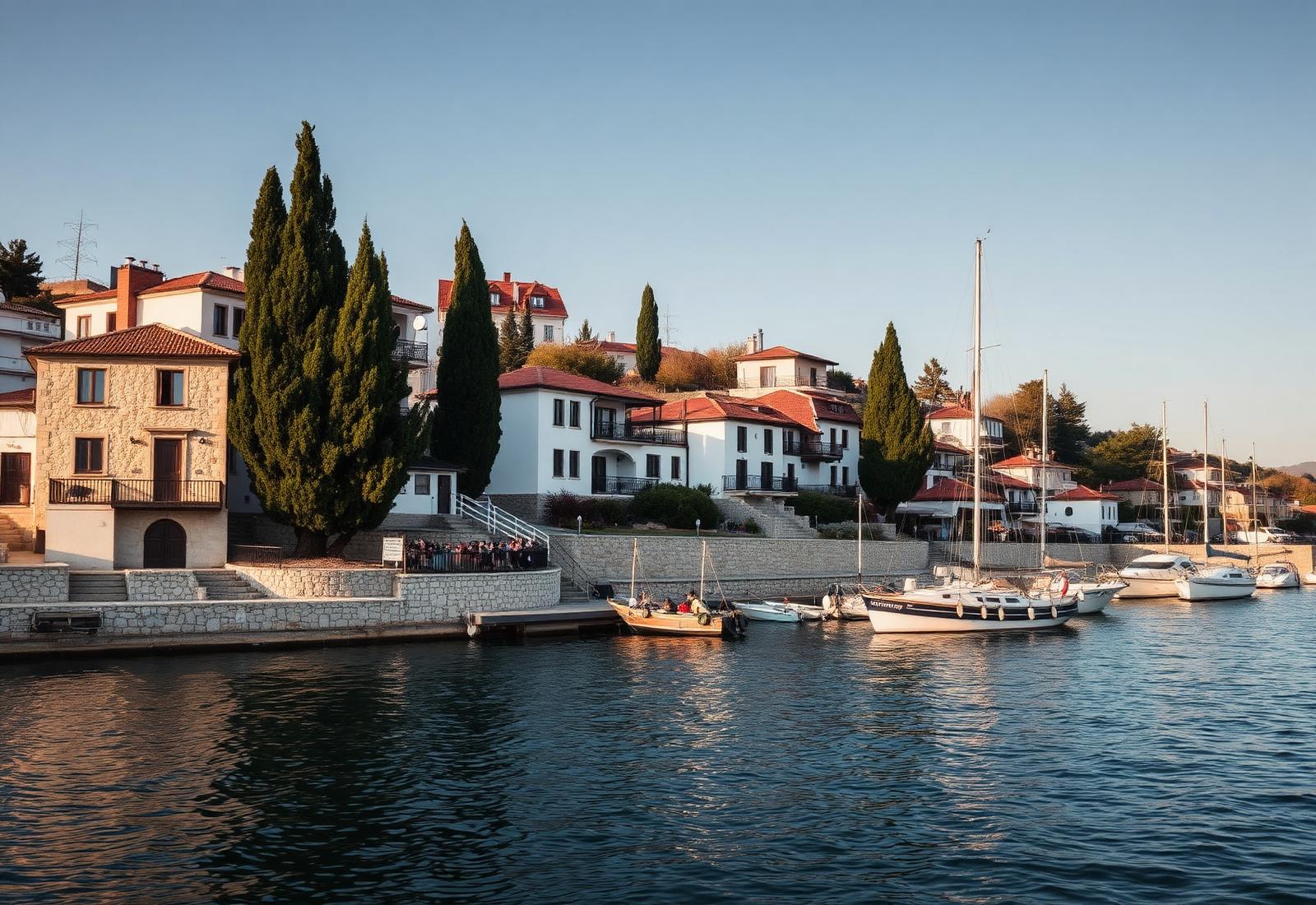
In Balchik and Kavarna, there are basic supplies, surgeries, pharmacies and bus connections to Varna and Dobrich. Everyday life is manageable without a car, but less comfortable: journeys take longer, timetables are thinner, and Balchik additionally has significant height differences between the harbour and the upper town – a physical demand that is easily underestimated.
In the villages of the hinterland, the picture shifts significantly. There, a car is usually necessary in practice because public connections only run a few times a day and shopping, doctors and authorities are in the next town. Anyone planning there without a vehicle should have a reliable, permanent driving solution – not just the hope for helpful neighbours.
In Varna, hardly anyone needs a car for daily shopping: small shops, bakeries and markets are densely distributed, and delivery services for groceries work well in the city. Weekly markets are reachable on foot or by bus.
It is different with major shopping trips and bulky items – furniture, DIY stores, winter supplies. A car helps here, but it is replaceable: delivery for a fee, a taxi for the way back or a planned shopping day with a driver are common solutions. Calculate these costs realistically against the total costs of a vehicle.
Doctor's appointments and healthcare
General practitioners, pharmacies and many specialist surgeries are well distributed in Varna and can be reliably reached by bus or taxi. More critical are appointments outside the city, early examination appointments, treatments with fasting requirements and anything after which you should not or do not want to drive yourself.
Therefore, plan healthcare routes not for the normal case, but for a bad day: How will you get to the surgery and back with a fever, after a treatment or with a freshly operated knee? If you don't have a resilient answer to this, you should either live more centrally or organise a fixed driving and accompaniment solution.
Varna has a dense bus network covering the city and the nearby coastal towns. Fares are low and frequencies are generally good during the day. Timetables and lines can be found in common map apps; however, stop displays are not available everywhere and are often labelled in Cyrillic.
Note: Not all vehicles are low-floor, paths to stops are not always barrier-free, and buses can be full during peak times. Travel your most important routes yourself once before making a housing decision – in the morning, in the evening and on a Sunday. This replaces any timetable analysis at the desk.
Taxis are numerous in Varna and cheap by European standards. For many residents without a car, they are the actual replacement: doctor's appointments, major shopping, evening events, airport. Bookings via app facilitate communication considerably, as the destination and price are available in writing.
It has proven practical to build up one or two regular drivers whom you can call directly. Look for a visibly displayed price tag and a running taximeter, and have the address noted in Cyrillic script. Those who use taxis consistently often drive more cheaply than with their own vehicle.
Parking
Anyone who decides on a car should clarify parking beforehand – not after. In central locations in Varna, parking space is scarce and partly managed; in residential areas from the Soviet era, the number of parking spaces is significantly lower than the number of vehicles.
Ask explicitly with every flat: Is a parking space or garage included? How much does it cost? How far is it from the house entrance, and is the path lit and even? A car parked three streets away loses a large part of its utility for people with limited mobility.
Summer traffic on the coast
Between June and September, the coast changes noticeably. Traffic on the access roads to the seaside resorts increases sharply, parking spaces in town centres and at beaches are scarce, and journeys that take twenty minutes in winter can take significantly longer in midsummer.
For the question of a car, this means two things: a vehicle brings less time saving in the summer than one expects – and those living without a car benefit from the frequent bus connections during this time. Schedule appointments and shopping in the early morning hours during the high season where possible.
When mobility is limited
In the case of walking aids, walkers, limited vision or illnesses affecting driving ability, the calculation shifts. The decisive factors then are not distances, but surfaces: pavement condition, kerbs, gradients, stairs in the building, lighting and the length of the path to the stop or the parking space.
In these cases, a central, level location with a lift is almost always the better answer than a car in a remote location. Also remember that the situation can change over the years – and that moving house later is more complex than making a forward-looking decision today.
Go through the matrix below row by row and note for each situation which answer applies to you. A car becomes all the more necessary the more points fall on a remote location, thin connections, regular trips outside the city and limited walking ability.
A pragmatic way for the first year: live centrally for rent, do not purchase a car, instead use the bus, taxi and delivery services consistently and keep a record of how often your own vehicle was truly missed. After twelve months, you will have an answer based on your experience – and not on an assumption from Germany.
Checking the car question – Checklist before the housing decision
0 of 18 items done. Your selection is only for your own overview and is not saved.
Decision matrix: How necessary is a car in your situation?
Location
Everyday life without a car
Car recommended?
Central Varna
Very good – everything within walking distance, frequent buses and taxis
Usually not necessary
Outer districts of Varna
Manageable if stop and supermarket are within walking distance
Depends on the situation
Coastal towns (seasonal)
Good in summer, thin frequencies and closed shops in winter
Year-round rather yes
Balchik / Kavarna
Basic supplies available, longer distances, gradients in Balchik
Frequently yes
Villages in the hinterland
Only realistic with a fixed driving solution
As a rule yes
Limited walking ability
Depends on surfaces, lift and path length
Living centrally instead of a car
Common mistakes
Viewing the location in midsummer and concluding the winter timetable from it.
Measuring distances on the map instead of actually walking the route on foot.
Buying a house in a village and relying on helpful neighbours for the driving solution.
Clarifying the parking space only after moving in.
Underestimating gradients in Balchik and Asparuhovo.
Planning only for the normal case and not the route to the surgery after a treatment.
What you can organise yourself
Test week without a car using the bus, taxi and delivery services.
Note how often your own vehicle was truly missed.
Save two regular taxi drivers with their numbers in the phone.
Keep addresses in Cyrillic script ready on a map.
Organise major shopping trips as a planned monthly appointment.
Where Bulgaria Bound can help
Discovery Day in Varna and on the coast with a focus on everyday routes instead of views.
Inspection of desired addresses: stop, pavement, gradient, lift.
Test trips on the most important bus lines at realistic times of day.
Organisation of reliable transport for appointments and shopping.
Clarification of parking space and parking situation before the tenancy agreement.
No advice on registration, insurance or fitness to drive.
Official sources
Your Europe (European Commission) — Official overview of residence rights, registration requirements and social security for EU citizens.
Last reviewed: July 2026. Requirements and offers may change; the information provided by the competent authorities is authoritative.
This article provides general orientation on the healthcare system and does not replace medical or insurance advice.
Next step
Bulgaria Bound can support you with planning, coordination and selected practical steps. Professional advice is provided by independent professionals.
Individual legal, tax, insurance or medical questions are not answered via WhatsApp. For a detailed assessment, please book the online consultation.
About the author
Glenna grew up German-Bulgarian, completed her medical degree in Varna and supports German-speaking people with orientation, organisation and integration in Bulgaria.
Life without a car in Varna and on the northern Black Sea coast
In central locations of Varna, daily life without your own car is well possible. In outer districts and small coastal towns, the situation is different.
Reading time approx. 7 minutes · Last reviewed on 30/07/2026
Living in Varna year-round: Everyday life outside the summer season
Between November and March, the coast shows its second face. Knowing districts, heating, transport, and supply in winter makes your decision about where to live more robust.
Reading time approx. 8 minutes · Last reviewed on 31/07/2026
Size, infrastructure, access to healthcare, mobility, terrain, and everyday winter life: The comparison shows which lifestyle Varna is better suited for and which Balchik is the more sustainable choice for.
Reading time approx. 9 minutes · Last reviewed on 01/07/2026