Integration
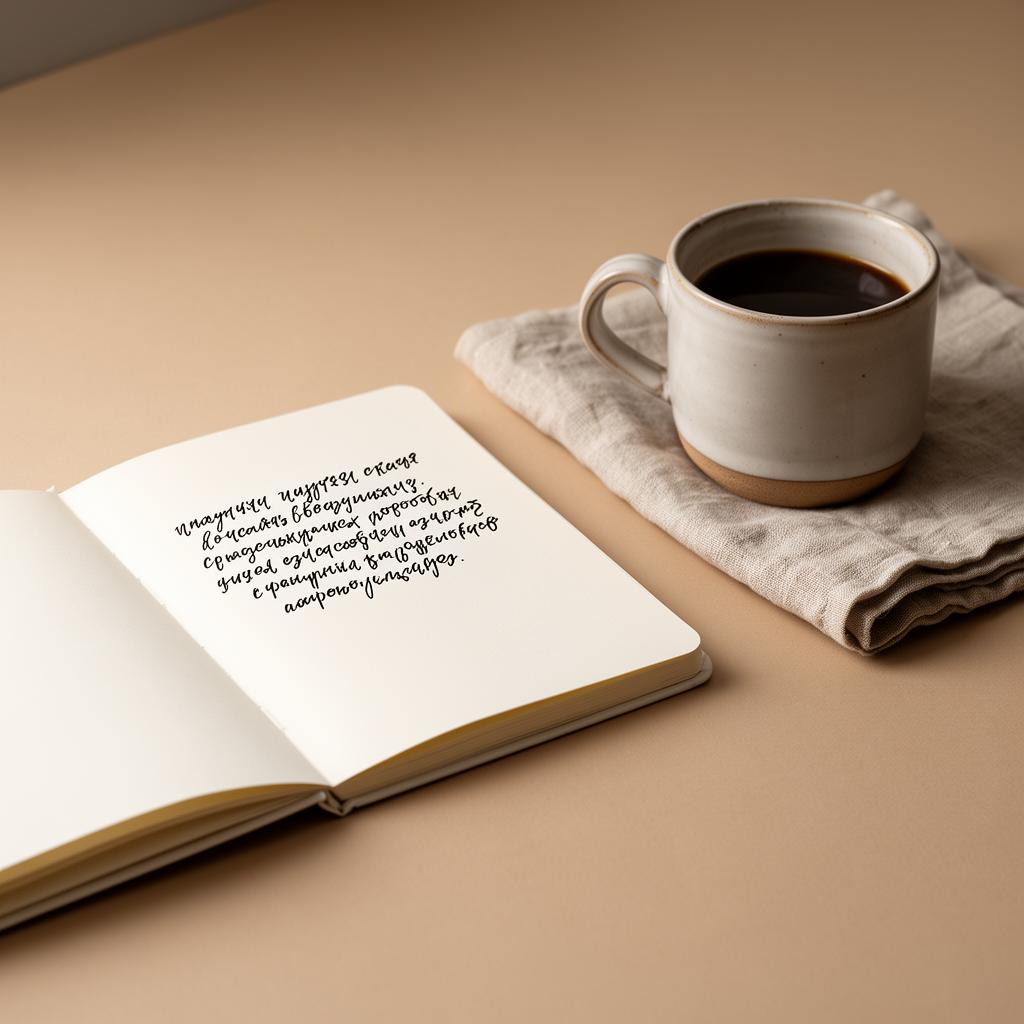
Learning Bulgarian in retirement
Just a few hundred words change everyday life noticeably. The article shows a realistic learning path without overwhelm.
Reading time approx. 5 minutes · Last reviewed on 08/07/2026
Integration
Not fluent, but not zero either: Which situations work with German or English, where Bulgarian really counts – and why 100 words is a realistic goal.
By Glenna · Published on 31 July 2026 · Last reviewed: July 2026 · Reading time approx. 5 minutes
The question comes up in almost every initial consultation: Do I need to know Bulgarian before I move? The honest answer is: you don't have to – but without any foundation, your daily life will be much more restricted, slower and more dependent than it needs to be. Between 'speaking fluently' and 'nothing at all' lies a very useful area that most people reach in a few months. This article shows which situations work without Bulgarian, where the language really counts, and what a realistic goal is.
In Varna and the larger coastal towns, you can manage in many situations without Bulgarian. Younger people often speak English, and in the tourism and real estate sectors, German or Russian are also spoken. Private clinics often employ English-speaking staff, and larger supermarkets, centrally located banks, restaurants and hotels can usually be managed well with English.
Your international environment – German-speaking groups, estate agents, specialized service providers – also works without Bulgarian. The fallacy is to conclude from these experiences that language is generally unnecessary. These situations are well-covered because they are aimed at expats. As soon as you leave this area, the picture changes.
The language becomes decisive wherever you have to deal with normal Bulgarian everyday life: with authorities, in state health facilities, in small shops and at the market, with tradespeople, property management, neighbors, on the bus, and outside the cities. The older your counterpart and the smaller the town, the less likely they are to speak English.
Then there is the written part. Contracts, invoices, meter readings, notices in the hallway, official forms, and package inserts are in Bulgarian – and in the Cyrillic script. Anyone who cannot at least decipher them is dependent on others for every letter.
The Cyrillic alphabet has 30 letters. About a third of them look like those in the Latin alphabet and sound the same; another third looks familiar but sounds different (В like w, Р like r, С like s, Н like n); the final third is new. With twenty minutes a day, most people master reading it in two to four weeks.
The benefit is immediate and greater than any other learning measure: street names, bus stops, shop signs, product packaging, menus, and form fields become readable – even without you understanding every word. Many terms are also international (аптека, банка, такси, супермаркет) and can be understood immediately once you know the letters.
Numbers from zero to one hundred are the second building block. You need them at the checkout, at the market, for price negotiations, house numbers, bus routes, meter readings, and phone numbers. Digits in Bulgaria are written in the usual form – so you mainly need to be able to hear and pronounce them.
For dates, the format is day.month.year as in Germany, but the month names are Cyrillic and resemble the international terms (януари, февруари, март). Also learn the days of the week and how to state times – that is enough for appointments. Always have appointments confirmed in writing.
Read more: Organizing appointments without speaking Bulgarian
Bulgarian addresses follow a specific pattern: street type (ул. for street, бул. for boulevard, ж.к. for residential complex), street name, house number, often supplemented by block (бл.), entrance (вх.), floor (ет.), and apartment (ап.). Anyone who knows these abbreviations finds deliveries, practices, and offices much more reliably.
Note your own address in Cyrillic on a card in your wallet – for taxi rides, forms, and emergencies. Also, pay attention to how your name is transliterated and use this spelling consistently.
In a doctor's office, it is less about fluent conversation than about correct terms. Learn the names for your own illnesses, body parts, pain, allergies, and the specialties you visit regularly. Bring a written summary of your diagnoses and medications – this replaces many sentences.
In a pharmacy, the deciding point is the active ingredient name, not the German brand name: preparations often have different names in Bulgaria. With the active ingredient, dosage, and form of administration, you can almost always get what you need. Note the health advice at the end of this article.
Read more: Finding doctors and pharmacies in Varna
At the market and in small shops, you need quantities (kilo, half a kilo, piece), numbers, 'how much does this cost', and polite forms. This is precisely where the first recurring contacts arise – sales staff will quickly recognize you if you try.
In transport, bus stop names, line numbers, 'does the bus stop in...', and directions help. In a taxi, the address in Cyrillic, asking about the price, and asking for a receipt are the most important things. An important note on communication: nodding often means no in Bulgaria, and shaking your head means yes. Ask when in doubt.
When dealing with landlords and property management, it is about repairs, meter readings, utility costs, appointments, and deadlines. Daily Bulgarian is often sufficient here – but you should record important agreements in writing, bilingually if necessary, and not rely on verbal promises.
With authorities, the situation is different: forms, deadlines, and follow-up questions are linguistically demanding, and misunderstandings here have consequences. Do not rely on your beginner skills or advice from group chats in these situations, but on the relevant authority – with linguistic support if necessary.
Set yourself a verifiable and modest goal before the move: reading the Cyrillic alphabet, numbers up to one hundred, days of the week and months, as well as about 100 words and fixed phrases. This is equivalent to about two to three months with fifteen minutes a day – significantly less than most fear.
These 100 words will not make you independent with authorities, but they will change your everyday life: you can greet, thank, ask, understand what a sign says, and be treated differently. Everything else is learned much faster on site because you use it daily. How quickly this succeeds varies individually – prior experience, hearing ability, and everyday situations play a major role.
It is best to combine three ways: an app or a flashcard system for daily repetition, a textbook or a course for structure, and regular application with real people. Anyone who only uses an app understands what is written but not what is spoken; anyone who only attends a course repeats too rarely.
A local course has a double benefit: language and fixed social appointments. Individual lessons or a language tandem are effective if you want to speak quickly. More important than the method is regularity: fifteen minutes a day beats two hours on the weekend. And expect that listening comprehension takes significantly longer than reading – that is normal and not a sign of incapacity.
Read more: Learning Bulgarian in retirement
0 of 22 items done. Your selection is only for your own overview and is not saved.
| German | Bulgarian | Pronunciation |
|---|---|---|
| Good day | Добър ден | dobar den |
| Thank you | Благодаря | blagodarja |
| Please / Excuse me | Моля / Извинете | molja / iswinete |
| Yes / No | Да / Не | da / ne |
| I don't speak Bulgarian | Не говоря български | ne goworja balgarski |
| Do you speak English? | Говорите ли английски? | goworite li anglijski? |
| How much does it cost? | Колко струва? | kolko struwa? |
| Where is …? | Къде е …? | kade e …? |
| Pharmacy | Аптека | apteka |
| Doctor | Лекар | lekar |
| Hospital | Болница | bolniza |
| Help! | Помощ! | pomoscht! |
| Address | Адрес | adres |
| Street / Boulevard | улица / булевард | uliza / buleward |
| Bill / Receipt | Сметка / Касова бележка | smetka / kasowa beleschka |
| Appointment | Час | tschas |
| Today / Tomorrow | Днес / Утре | dnes / utre |
| I need … | Имам нужда от … | imam nuschda ot … |
Language learning is easier when it is tied to fixed appointments. These formats accompany your start.
Short, practical sessions for shopping, doctors, neighbors, and authority contact – not a grammar course.
Themed evenings where Bulgarian terms are classified in their respective context.
Exchange about which learning paths have actually worked in practice.
Joint planning of a realistic learning pace alongside the other tasks of the first months.
Dates are published as soon as they are fixed. No dates are announced that have not been confirmed.
Be informed about new datesLast reviewed: July 2026. Requirements and offers may change; the information provided by the competent authorities is authoritative.
Bulgaria Bound can support you with planning, coordination and selected practical steps. Professional advice is provided by independent professionals.
Do you have a short organisational question on this topic?
Individual legal, tax, insurance or medical questions are not answered via WhatsApp. For a detailed assessment, please book the online consultation.
Glenna grew up German-Bulgarian, completed her medical degree in Varna and supports German-speaking people with orientation, organisation and integration in Bulgaria.
More about GlennaIntegration
Just a few hundred words change everyday life noticeably. The article shows a realistic learning path without overwhelm.
Reading time approx. 5 minutes · Last reviewed on 08/07/2026
Health and everyday life
Practical guide: How to reliably arrange, confirm, and follow up on medical, administrative, and tradesperson appointments in Bulgaria – even without language skills.
Reading time approx. 5 minutes · Last reviewed on 31/07/2026
Integration
Friendships rarely arise on their own after a move. How to systematically build a resilient environment in Bulgaria – German-speaking, international and Bulgarian.
Reading time approx. 6 minutes · Last reviewed on 31/07/2026